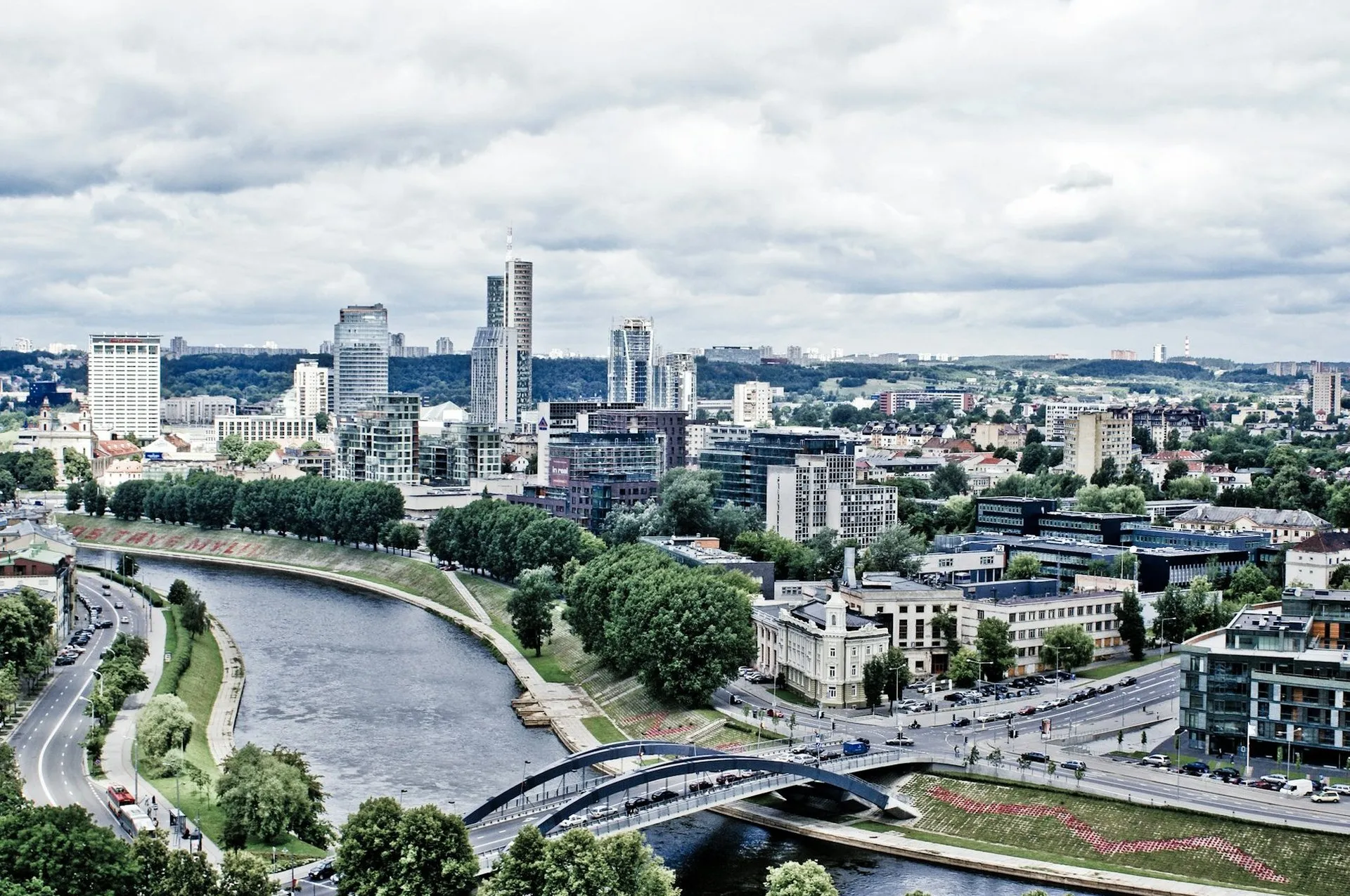
Vilnius holds the largest old town in Northern Europe, and it does not feel like it owes you anything. The baroque churches rise in clusters, the streets narrow and drop, and the whole center runs on a slow, bohemian rhythm that has survived centuries of occupation, war, and independence. It is a city you walk rather than visit, and three days is enough to walk most of it without rushing.
The shape of a good three days is simple. One day for the old town on foot, taking in the churches, the towers, and the self-declared republic of Užupis. One day out to Trakai, where a fourteenth-century island castle sits on a lake. And one day for the things that surprise people most about Vilnius: the Hill of Crosses an hour north, the food scene that has grown faster than most guidebooks can keep up with, and the craft breweries hiding in converted warehouses.
Getting there is easy from most of Europe. Direct flights land at VNO from the main hubs, and Riga and Kaunas are both close enough to reach by bus if the fares work out cheaper. The city itself is compact. You will not need a car inside the old town, and you will spend most of three days on foot. Coming overland, Vilnius is the southern anchor of the Grand Baltic Loop.
Vilnius is also the cheapest of the three Baltic capitals, which gives you room to spend where it matters. A full lunch with drinks runs well under ten euros in the neighborhoods, and mid-range travelers manage comfortably on a hundred to a hundred and fifty euros a day including a room. Budget travelers get by on less.
Getting there
Fly into Vilnius (VNO) for the direct option, or compare fares and reach Riga or Kaunas by bus if the prices work out cheaper.
Budget
Budget travelers manage on fifty to eighty euros a day including a hostel and market food. Mid-range runs a hundred to a hundred and fifty.
Best time
May through September is the sweet spot. June brings long, light evenings; September is quieter and often the most pleasant.
Duration
Three days is enough to walk most of the old town, take a day out to Trakai, and make one longer trip to the Hill of Crosses.
Day 1: The old town on foot
Start where the city started. The old town is a labyrinth of narrow streets, hidden courtyards, and baroque churches, and it is small enough to cover in a day if you let yourself get lost on purpose.
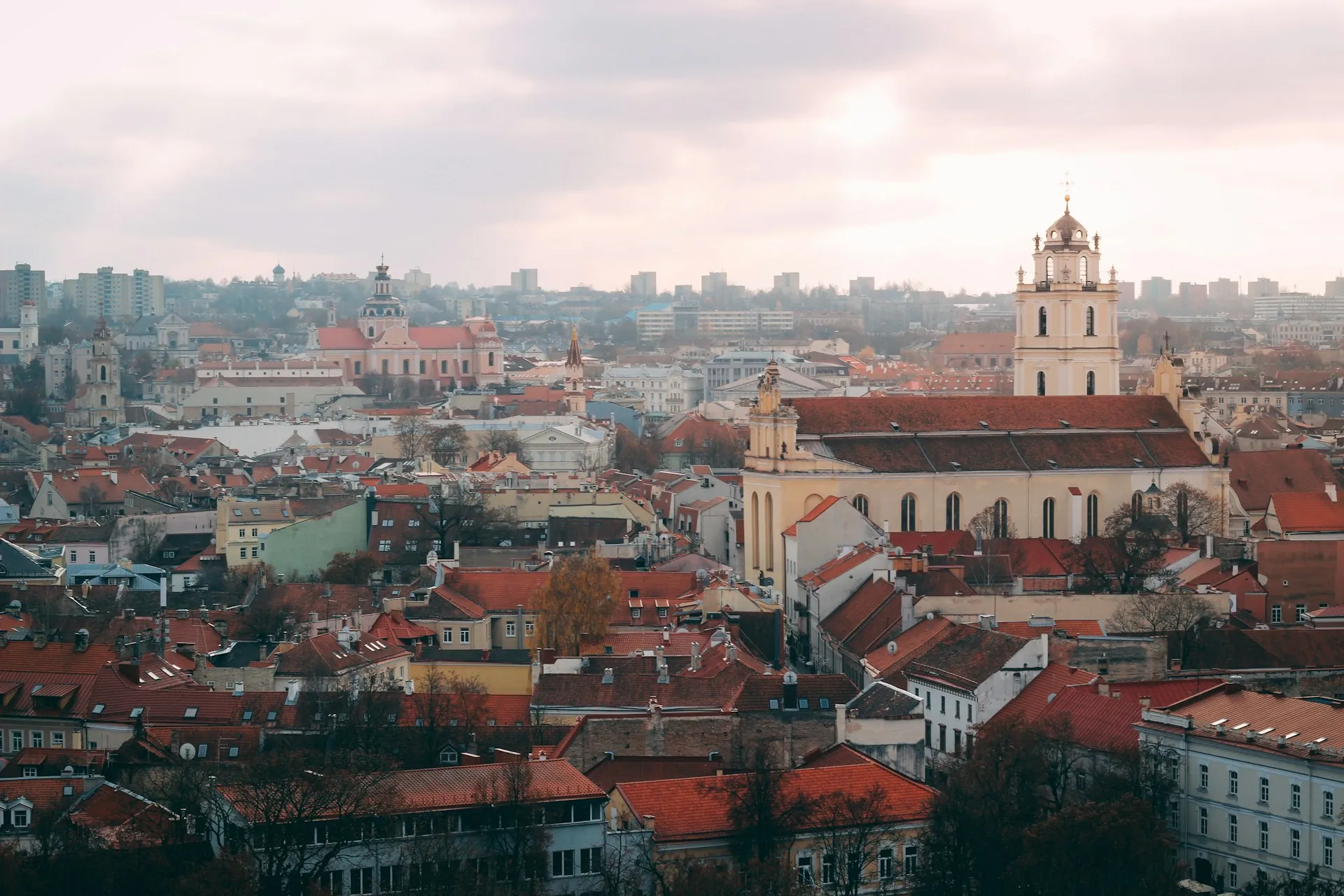
Begin at the Cathedral Square, the white neoclassical cathedral that has stood on this site in some form for centuries. From there, take the funicular or the footpath up Gediminas Hill for the best view over the red rooftops and spires. The tower at the top holds a small museum and, on a clear day, a panorama that explains the whole city at a glance.
Vilnius was called the Rome of the East for a reason. St Anne’s Church is the most famous, a brick and stone confection that Napoleon reportedly wanted to carry back to Paris in his palm. Walk the old town from one church to the next and you pass through several centuries of architecture in a few hundred meters, from Gothic to baroque to a handful of Soviet-era buildings that the city has learned to live with.
Cross the river into Užupis, a neighborhood that declared itself an independent republic with its own constitution, president, and anthem. The constitution is written on a wall and includes such laws as the right to be happy and the right to be unhappy. It is part art project, part genuine neighborhood, and the evening is when it comes alive with small bars, galleries, and a gentle, unpolished energy.
Day 2: Trakai, the island castle
Trakai is the day trip everyone makes, and it is worth the hype. A thirteenth-century castle rises from an island on Lake Galvė about thirty minutes west of the city, and the town around it has a character all its own.
The castle is the centerpiece, its red brick towers reflected in the lake. You can walk around the island on a boardwalk, cross the wooden bridges, and tour the interior with its reconstructed halls. The surrounding town belongs to the Karaim, a small Turkic-speaking community brought here centuries ago by a grand duke, and their cuisine is the reason many visitors come: kibinai, baked pastries filled with meat, are the signature dish.
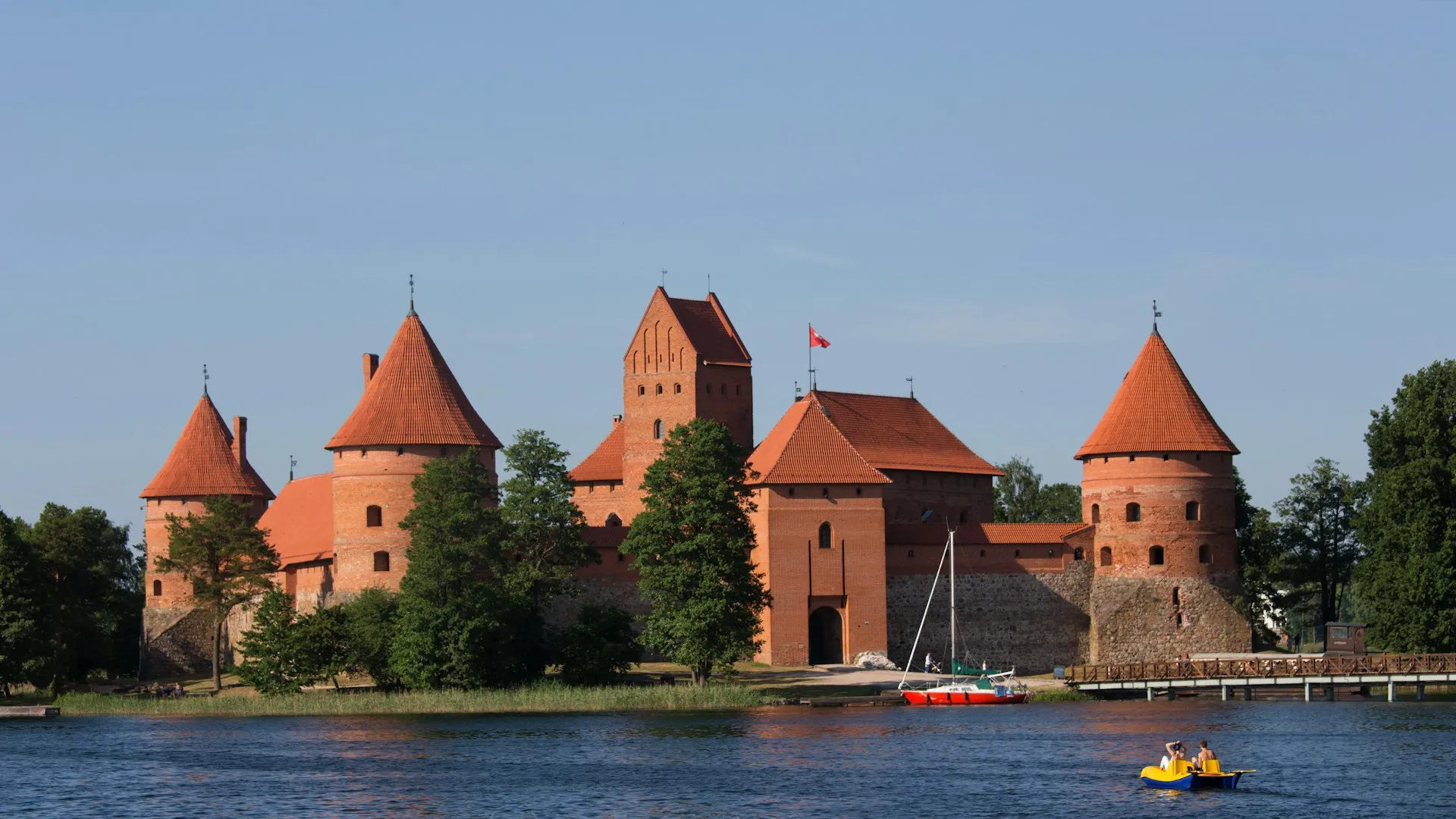
Getting out to Trakai is straightforward. A regular train and a bus both run from the city and take about half an hour each way. You can see the castle, wander the town, and eat lunch in a Karaim café before heading back in time for an evening in Vilnius.
Day 3: The Hill of Crosses and the new food scene
Save the longest drive for the last day, and spend the evening on food.
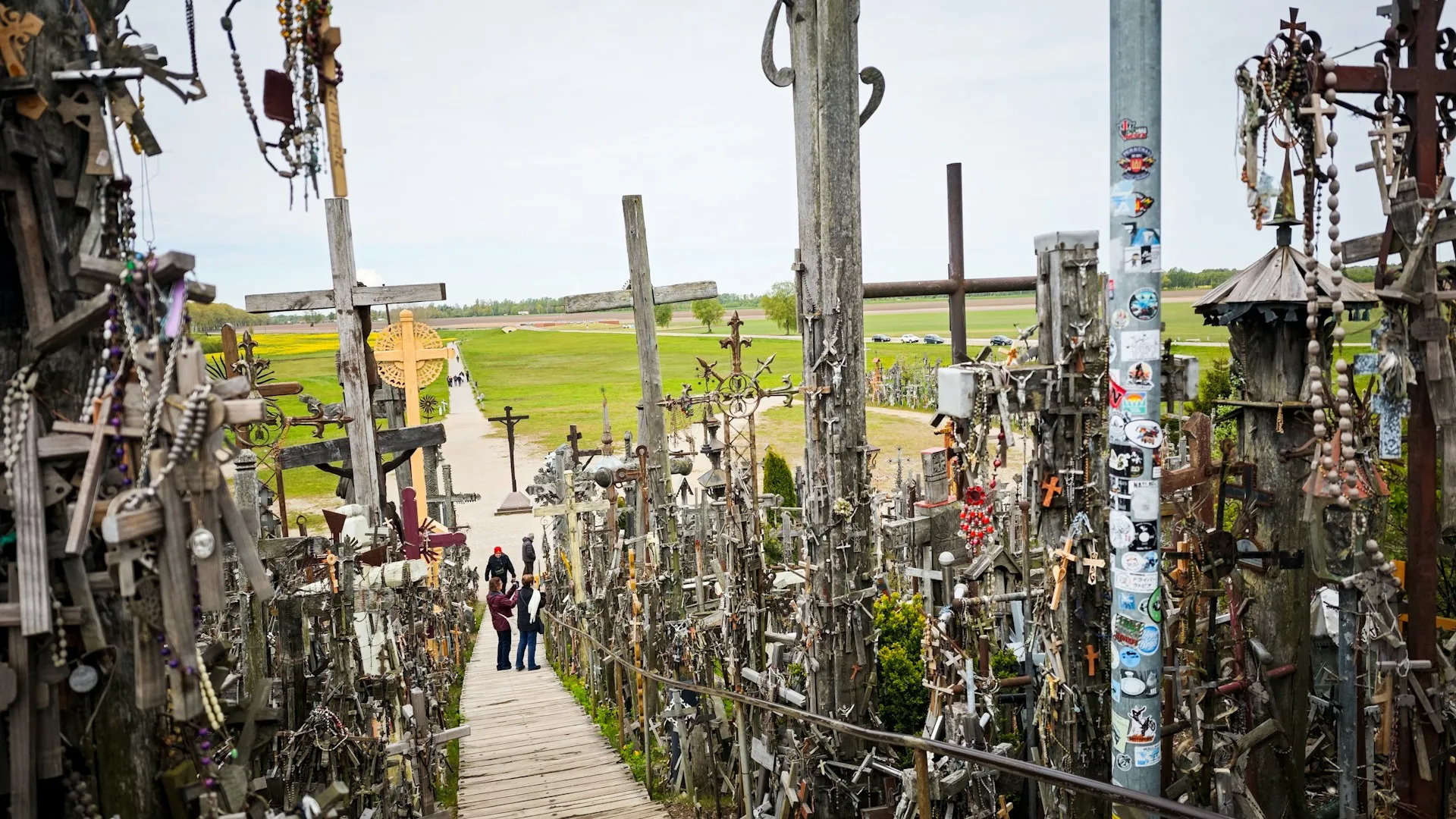
An hour north of Vilnius, a low hill has been covered with crosses for well over a century. No one knows exactly how many there are now, and estimates run into the hundreds of thousands. The crosses were repeatedly removed under Soviet rule and just as repeatedly replaced, which turned the site into a quiet act of resistance. It is a somber place and an unforgettable one, best reached by car or as part of a booked tour.
Back in Vilnius, spend the afternoon on the neighborhoods most visitors miss. The KGB Museum tells a heavy but important story in the building where the secret police operated. The markets and side streets around the old town hold more history than any single itinerary can cover, so pick one thread and follow it. If the sea is calling instead, Palanga, Lithuania’s amber-coast resort, is a long day trip or an overnight to the west.
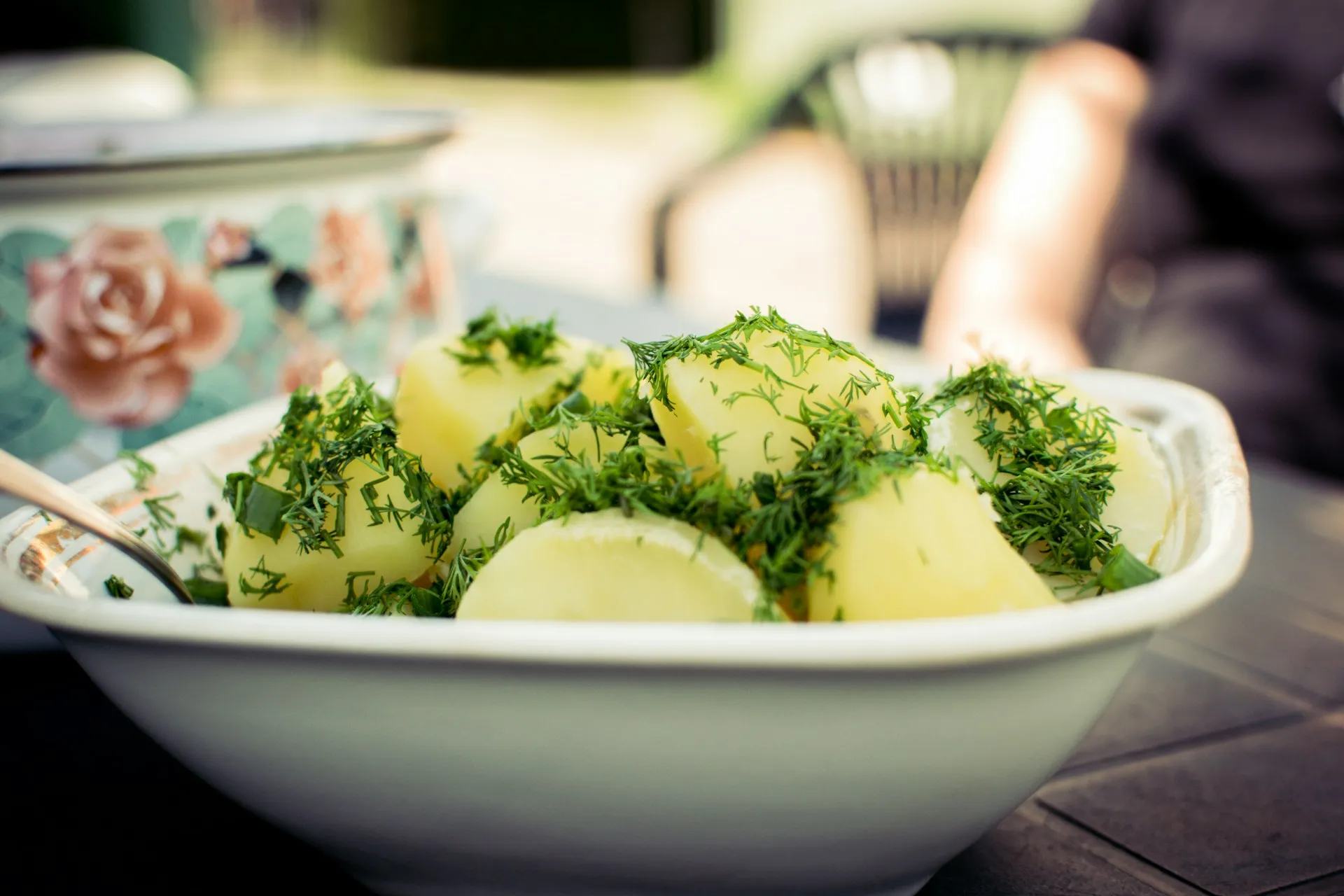
Vilnius has quietly become one of the best eating cities in the region. Cepelinai, potato dumplings stuffed with meat or curd, are the national dish and worth seeking out. Beyond that, the craft breweries and modern restaurants have been winning recognition faster than the city’s reputation has caught up. Close the trip on a meal that tastes like what the Baltics do best.
Practical info
7 readingsGetting there
Fly into Vilnius (VNO) for the direct option, or save money by comparing fares. Riga and Kaunas are close enough to reach by bus if the prices work out better.
Getting around
The old town is walkable and best covered on foot. For Trakai, the train and bus run regularly and take about half an hour. For the Hill of Crosses, you need a car or a tour, since public transport is thin on the ground for that distance.
Where to stay
Base yourself inside or just on the edge of the old town so everything is on foot. Book ahead for weekends and for the summer months, when Vilnius fills faster than it used to.
Budget
Vilnius is the cheapest of the three Baltic capitals. Budget travelers manage on fifty to eighty euros a day including a hostel and market food. Mid-range, with a decent hotel and a relaxed restaurant every night, runs one hundred to a hundred and fifty.
When to visit
May through September is the sweet spot. June brings long, light evenings. September is quieter and often the most pleasant. Winter works for Christmas markets and a more introspective city, but bring layers and expect short days.
What to eat
Start with cepelinai, the potato dumplings that are Lithuania’s national dish. Add dark rye bread, smoked fish, and a craft beer from one of the old-town breweries. In Trakai, do not leave without trying kibinai from a Karaim bakery.
Language
Lithuanian is the official language, one of the oldest living Indo-European languages. English is widely spoken in the city and among younger people. A few phrases, starting with a simple thank you, always land well.
This post contains affiliate links. Booking through them earns a small commission at no extra cost to you, and helps keep the site running. Thank you if you do.
Frequently asked questions
Is three days enough in Vilnius?
Yes. Three days is enough to walk most of the old town, take a day out to Trakai's island castle, and make one longer trip to the Hill of Crosses an hour north. The old town is compact and best covered on foot.
How do I get to Trakai from Vilnius?
A regular train and a bus both run from Vilnius to Trakai and take about half an hour each way. The 14th-century castle sits on an island in Lake Galve, and you can walk around it on a boardwalk, cross the wooden bridges, and tour the interior.
What is Vilnius best known for?
Vilnius holds the largest old town in Northern Europe, a baroque skyline, and the self-declared Republic of Uzupis, a bohemian neighbourhood across the river with its own constitution, president, and anthem. It is also the cheapest of the three Baltic capitals.