The Baltics, explored.

A route, plotted.

One road trip, charted.

Three territories on the Baltic coast: medieval old towns, wild coastlines, and capitals that have traded across the sea for eight hundred years.Art Nouveau districts, market halls in former Zeppelin hangars, and a coast that measures itself in sand, forest, and amber.Baroque old towns, bohemian quarters, and a route that starts in one capital and ends in another without a single border crossing.

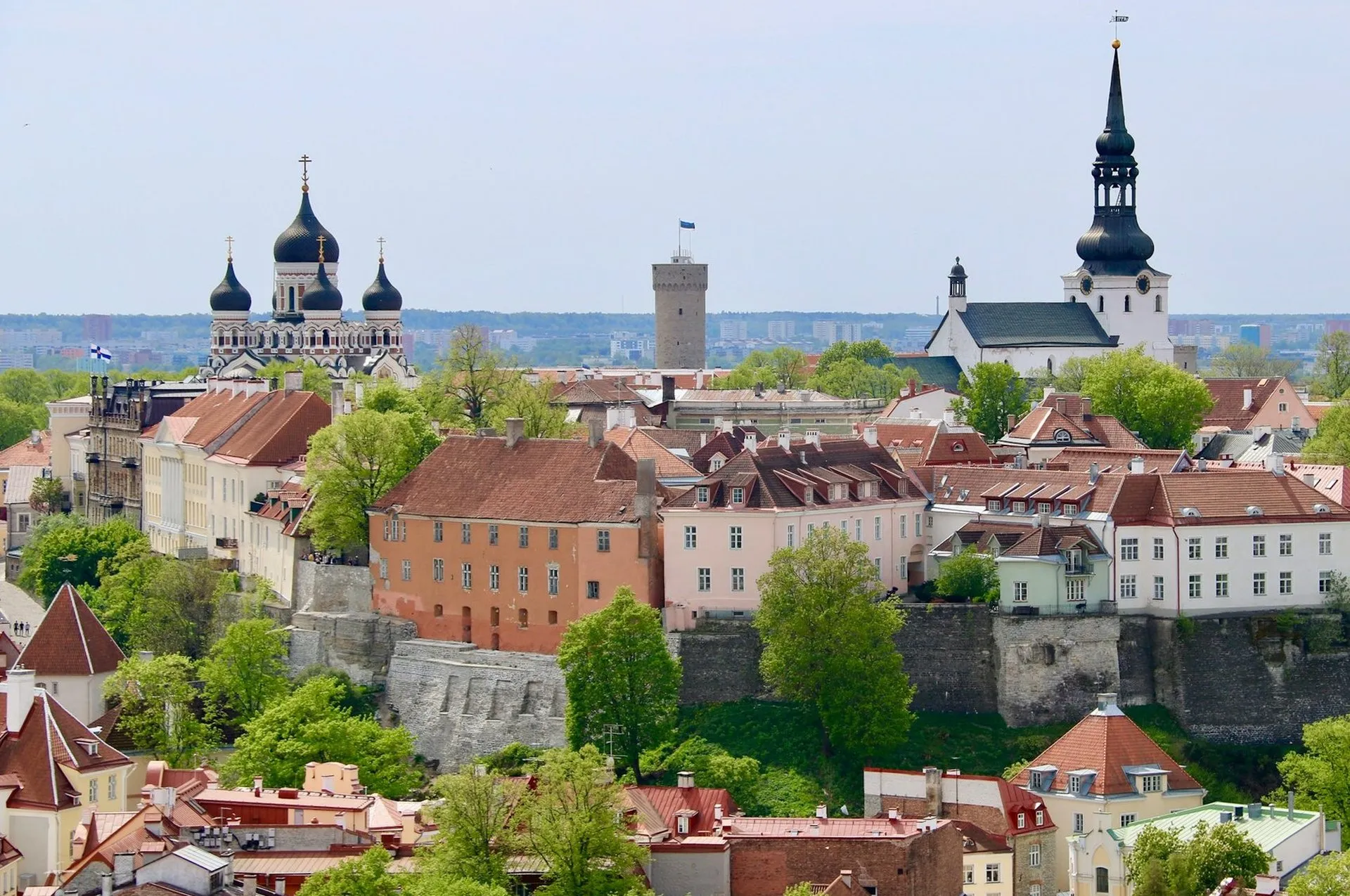
Tallinn
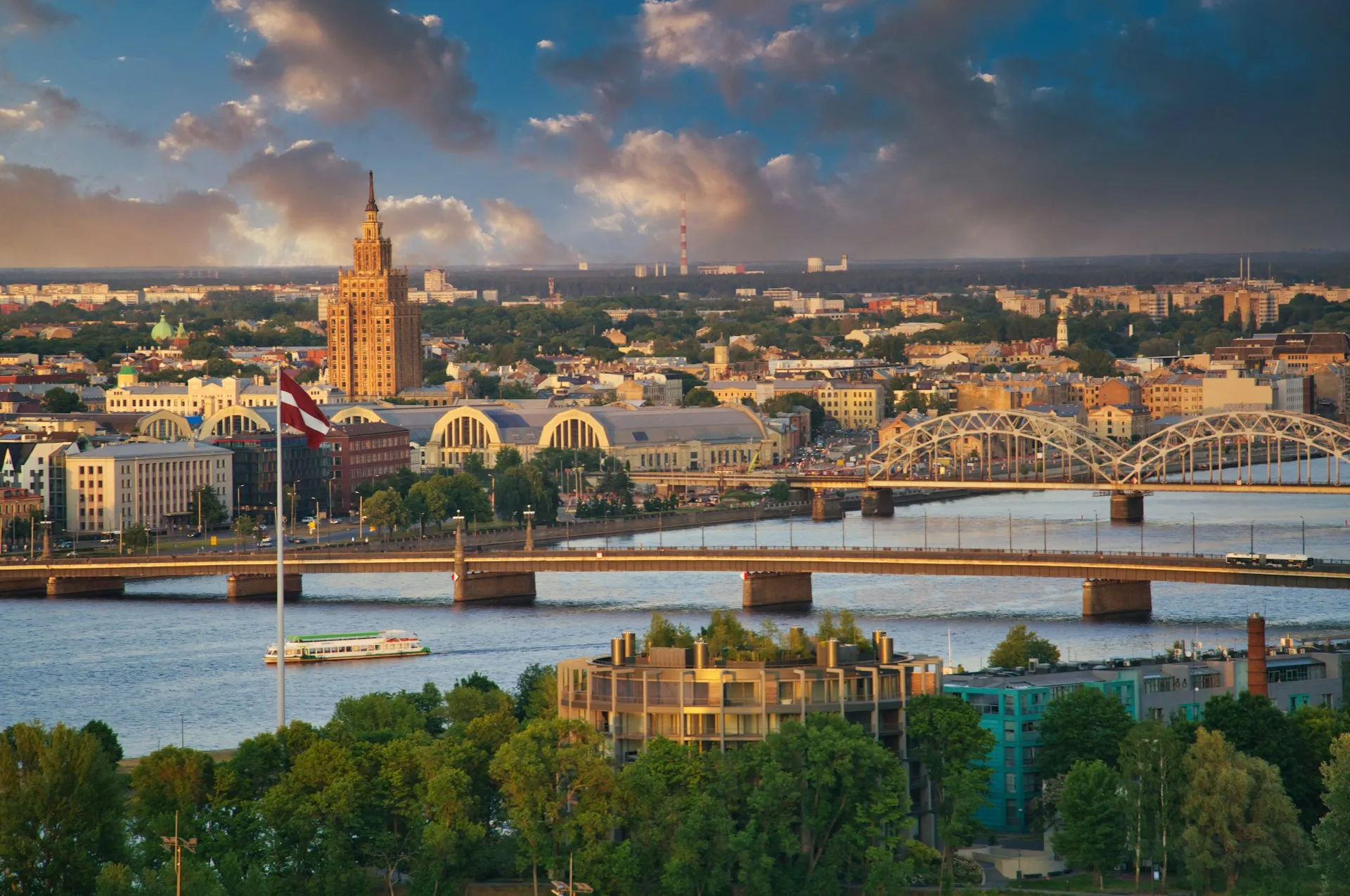
Riga
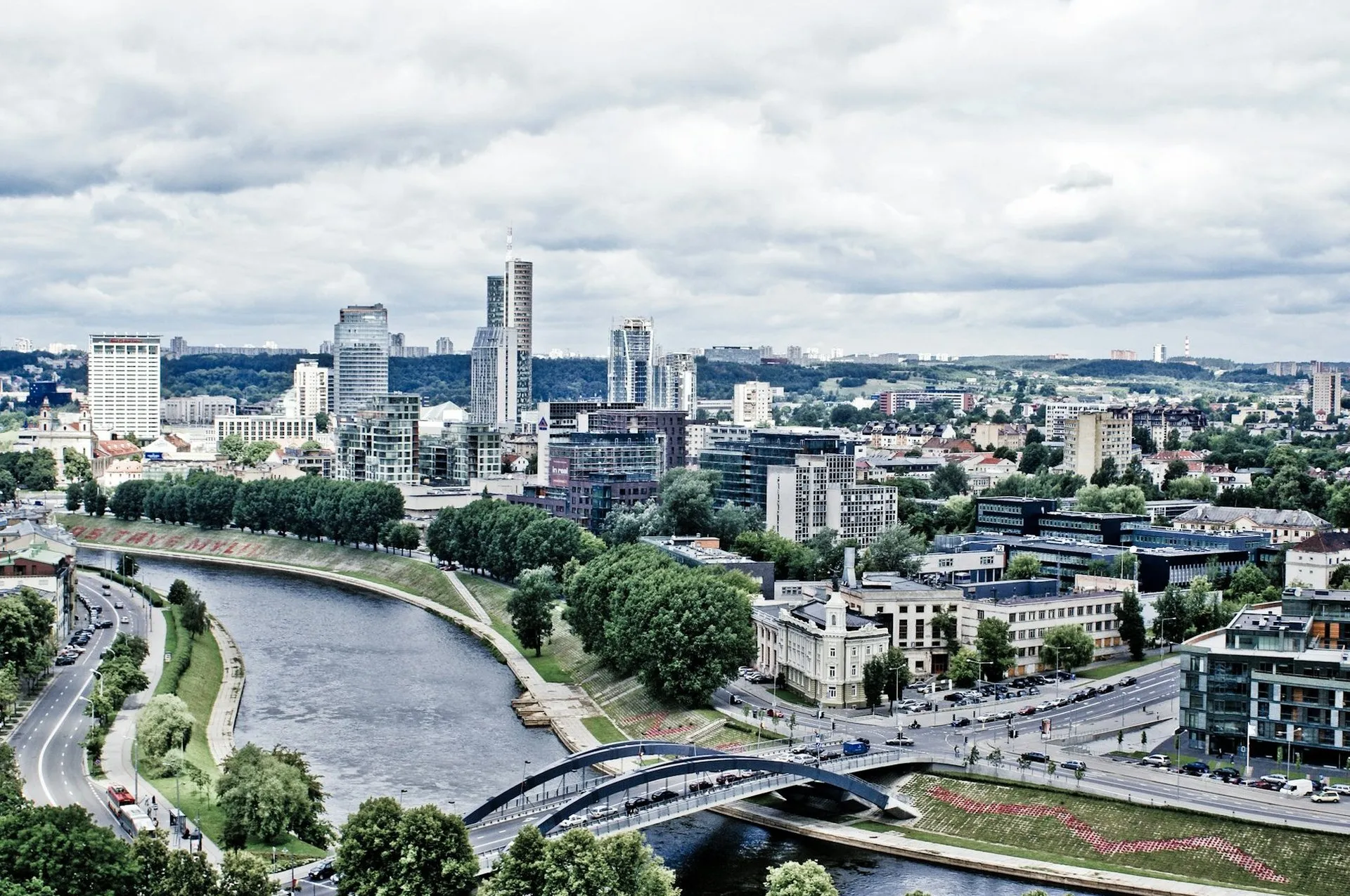
Vilnius
FIG. 1 · The region at a glanceN 58°–55° · E 20°–28°

Three states, one road trip

Estonia, Latvia, and Lithuania sit between the Baltic Sea and the Eastern European plain. They share a geographic corridor, but each has its own language, food, and rhythm. This guide walks each territory in turn, then strings them together as one journey.

Country 01 · Estonia
The most Nordic of the three, and the smallest: medieval Tallinn, the bogs of Lahemaa, and the wind-battered islands.
Country 02 · Latvia
Art Nouveau Riga, the white sands of Jurmala, and the sandstone cliffs of Gauja beyond the capital.
Country 03 · Lithuania
Baroque Vilnius, the shifting dunes of the Curonian Spit, and a coastline famous for amber.
FIG. 3 · The three countriesOpen each one

Three states, three characters

Pick one to start, then chain them together. Each country has its own language, food, and rhythm, but the transitions between them are what make the Baltics feel like a single journey.

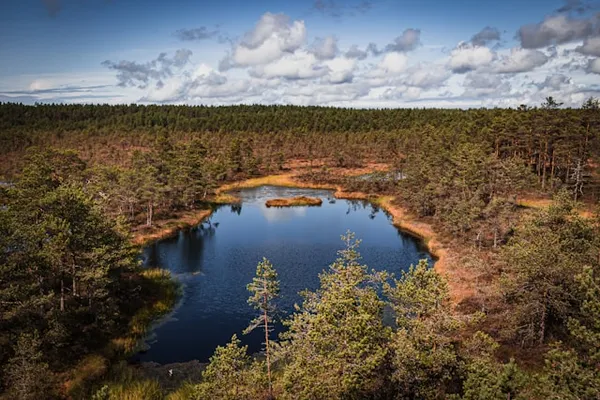
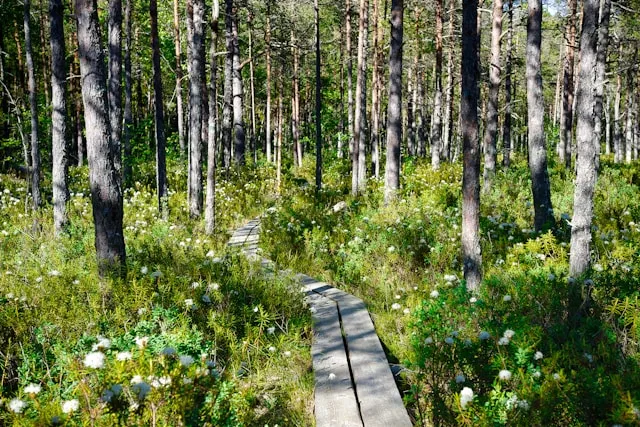
Viru soo boardwalk through Lahemaa National Park bogs in Estonia
Country 1

Estonia

Where medieval meets digital

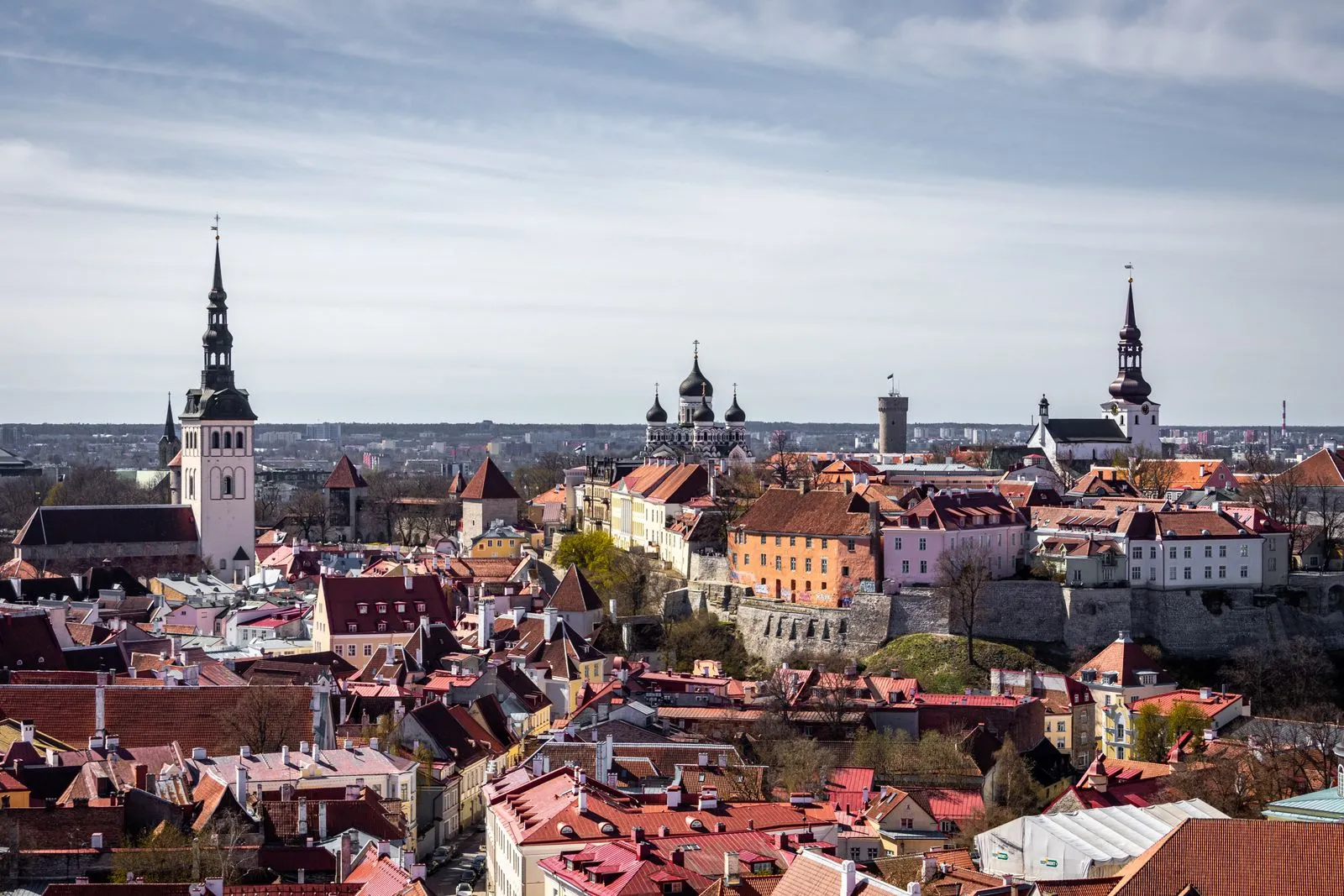
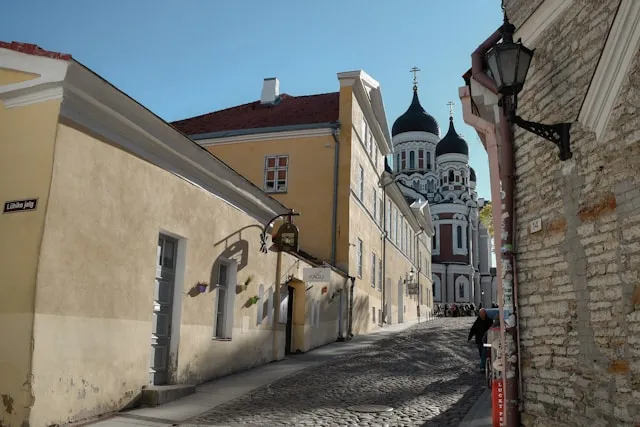
Tallinn's walled old town is one of the best-preserved medieval cities in Europe: a maze of cobblestones, turrets, and guildhalls. Beyond the capital, Estonia reveals itself through Lahemaa's primeval forests, the wind-battered islands of Saaremaa and Hiiumaa, and a food and tech scene that has grown fast this decade. It's the most Nordic of the three Baltic states, and the smallest.

FIG.Points of interest
  1. 01Tallinn Old Town - UNESCO World Heritage
  2. 02Lahemaa National Park - bogs, waterfalls, manor houses
  3. 03Saaremaa - island life, windmills, meteorite crater
  4. 04Tartu - university town, intellectual heart of Estonia
Measurements
Capital
Tallinn
Language
Estonian
Population
1.4m2026 estimate · Statistics Estonia
Currency
Euro
Read the guide
Riga Old Town square with historic architecture and church spires
Country 2

Latvia

Art Nouveau and untouched wild

Riga holds the largest collection of Art Nouveau architecture in the world: entire streetscapes of ornate facades, floral reliefs, and mythological figures. Outside the capital, Latvia surprises with Jurmala's white-sand beach stretching 30 km along the coast, Gauja National Park's sandstone cliffs and cave networks, and the quiet fishing villages of the Kurzeme peninsula that feel frozen in another century.

FIG.Points of interest
  1. 01Riga Art Nouveau District - over 800 buildings
  2. 02Gauja National Park - caves, cliffs, cable car
  3. 03Jurmala - Baltic Sea beach resort, 30 km of sand
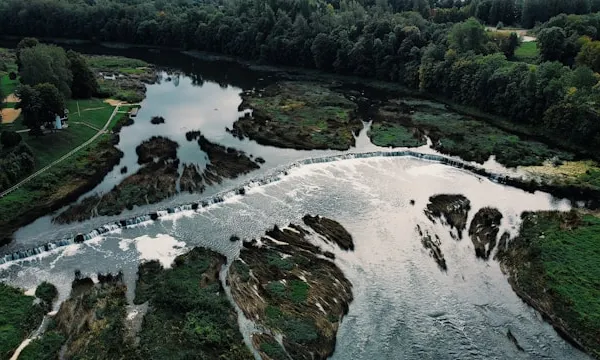
  4. 04Kuldiga - Europe's widest natural waterfall
Measurements
Capital
Riga
Language
Latvian
Population
1.9m2026 estimate · Central Statistical Bureau of Latvia
Currency
Euro
Read the guide
Vilnius Old Town aerial view with baroque churches and red rooftops
Country 3

Lithuania

Baroque grandeur and Baltic soul

Vilnius hides one of the largest old towns in Northern Europe behind a bohemian, youthful energy. The Hill of Crosses, a pilgrimage site covered with over 100,000 crosses, is unlike anything else on the continent. The Curonian Spit, a 98 km sand dune peninsula shared with Russia, is a UNESCO site of stark, shifting beauty. Lithuania is the most populous and most southern of the three states, with a cuisine that leans richer and more earthy.

FIG.Points of interest
  1. 01Vilnius Old Town - baroque churches, Uzupis republic
  2. 02Palanga - seaside resort, Amber Museum, Baltic pier
  3. 03Curonian Spit - sand dunes, fishing villages, amber
  4. 04Hill of Crosses - 100,000+ crosses, pilgrimage site
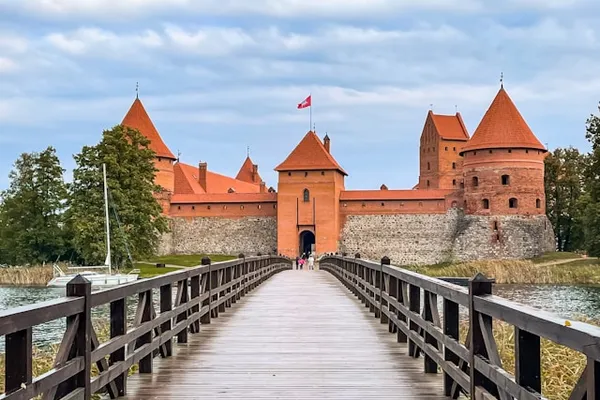
  5. 05Trakai - island castle on Lake Galve
Measurements
Capital
Vilnius
Language
Lithuanian
Population
2.9m2026 estimate · Statistics Lithuania
Currency
Euro
Read the guide
FIG. 4 · Notes from the roadSix observations

What makes the Baltics worth your time

Note 01Fig. 1
Tallinn Old Town panoramic view

Three old towns, each UNESCO-listed

Tallinn, Riga, and Vilnius each have a historic center recognized by UNESCO. But they couldn't feel more different: Tallinn is vertical and walled, Riga is ornate and wide, Vilnius is baroque and labyrinthine. Walking all three gives you three distinct versions of Northern European urban history.
Note 02Fig. 2
Pieces of Baltic amber washed ashore on a sandy beach

The amber coastline

The Baltic Sea is the world's primary source of amber: fossilized resin up to 50 million years old. After autumn storms, pieces wash ashore along the Curonian Spit, Jurmala, and the Estonian islands. Finding one is considered good luck. The entire coast is amber country.

Note 03Fig. 3

A Soviet layer you can still read

Independence came in 1991. The Soviet footprint remains visible: in Paldiski's decommissioned nuclear submarine base, Karosta's military prison in Liepaja, the Grutas Park sculpture garden, and in the stark, monumental architecture that still defines parts of every capital. It's not celebratory; it's documentary.

Note 04Fig. 4

Song as identity

The Baltic Song Festivals are UNESCO Intangible Cultural Heritage. Every five years, 30,000 singers perform simultaneously in each capital. It was singing (mass choral performance) that helped catalyze the Singing Revolution and win independence from the Soviet Union. Music isn't entertainment here; it's history.

Note 05Fig. 5
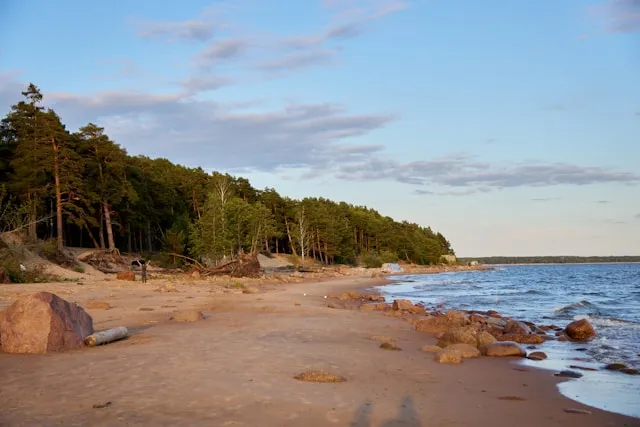
Sand dunes and coastal forest on the Curonian Spit

Europe's quiet corner

More than half of Estonia is forest, and Latvia and Lithuania are not far behind. Lithuania's Curonian Spit is a shifting dune landscape. Latvia's Gauja Valley has cliff faces and cave networks. Despite being EU members with modern capitals, the Baltics remain one of Europe's least-touristed and least-developed natural regions: which is exactly the point.

Note 06Fig. 6
Traditional Baltic food spread on a wooden table

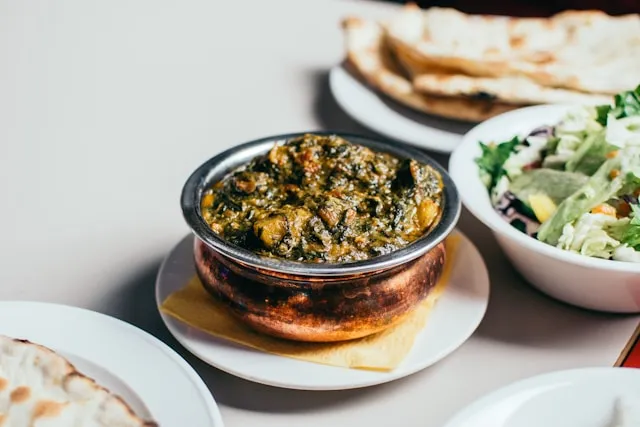
Nordic-Baltic table

Black bread, rye crispbread, smoked fish, forest mushrooms, juniper berries, and seasonal game. The Baltics sit between Nordic simplicity and Eastern European richness. Restaurants in Tallinn and Vilnius now hold European recognition, and the best ones source almost everything from local farms and foragers.

FIG. 5 · Reference dataBefore you go

Before you go

When to visit

May through September for long days and warm weather. June brings white nights: daylight nearly 24 hours. Winter (December-February) offers Christmas markets in all three capitals, possible Northern Lights in Estonia, and a quiet, introspective atmosphere. The Baltics don't have a bad season; they have different ones.

Getting there

Direct flights to Tallinn (TLL), Riga (RIX), or Vilnius (VNO) from most European hubs. Riga is the best-connected, with the most budget airline routes. Ferries run from Helsinki to Tallinn in under 2 hours. All three capitals have airport bus connections to the city center.

Getting between them

Lux Express and FlixBus connect all three capitals. Tallinn to Riga takes about 4.5 hours. Riga to Vilnius takes about 4 hours. The drive is straightforward: mostly flat, well-maintained highways through forest and farmland. Rent a car if you want to reach Kuldiga, the coast, or the islands.

Money

All three countries use the Euro. The Baltics are significantly cheaper than Western Europe. Budget travelers can get by on €50-80 per day. Mid-range: €100-150. The best value is in local restaurants: a full lunch with drinks can cost under €20 outside the capitals.

Language

Estonian, Latvian, and Lithuanian are the official languages. None are related to each other: Estonian is Finno-Ugric (closer to Finnish), while Latvian and Lithuanian are Baltic (the oldest living Indo-European language family). English is widely spoken in cities and tourist areas. A few local phrases always earn a smile.

Safety and visas

All three are EU and Schengen member states. They rank among the safest countries in Europe for travelers. No visa required for EU/EEA citizens. Check Schengen visa rules for other nationalities. Tap water is safe everywhere. Emergency number: 112.