Pärnu is Estonia’s summer capital, which is not an official title but an accurate one. Every summer the town on the west coast fills with families from Tallinn and the rest of the country, and the population swells for a few months before the crowds drift home. The rest of the year it goes quiet, and that quiet has its own pull.
A single weekend shows you why Estonians keep coming back. There is a beach that runs for the better part of a kilometer through the center, a river that widens as it meets the sea, and a mud-bath spa tradition that reaches back well over a century. You can spend one day on the sand and the next in the water at a spa, and never once feel rushed.
The town sits around 130 kilometers south of Tallinn on Estonia’s west coast, where the Pärnu River spreads out on its way to the Baltic. You fly into Tallinn and come down by bus or by car, or simply take a long weekend. Everything worth doing sits within walking distance of the water, so once you are here you barely need wheels at all.
Pärnu is also easy to like in a practical way. Estonian seaside prices stay well below the big capitals, the beach is free, and the spas built for a summer crowd keep the whole town relaxed. Whether you come for one day or three, the shape of the trip is simple: the sand, the river, the mud, and the food.
Getting there
Fly into Tallinn (TLL) about 130 kilometers north, then take a bus or drive down the coast. The town itself is walkable once you arrive.
Budget
The beach and promenade are free. A spa day and a seafood lunch add up fast but stay cheaper than a comparable day in Tallinn.
Best time
June through August for warmth and the full summer energy. Late spring and early autumn are quieter and still pleasant on the sand.
Duration
A day covers the beach, the river, and the old town. A weekend adds a proper spa day and a trip out of town.
The beach and the promenade
The beach is the reason Pärnu exists as a resort, and it still does most of the work. It is the town’s center of gravity in summer, and the houses, hotels, and cafes all arrange themselves around it.
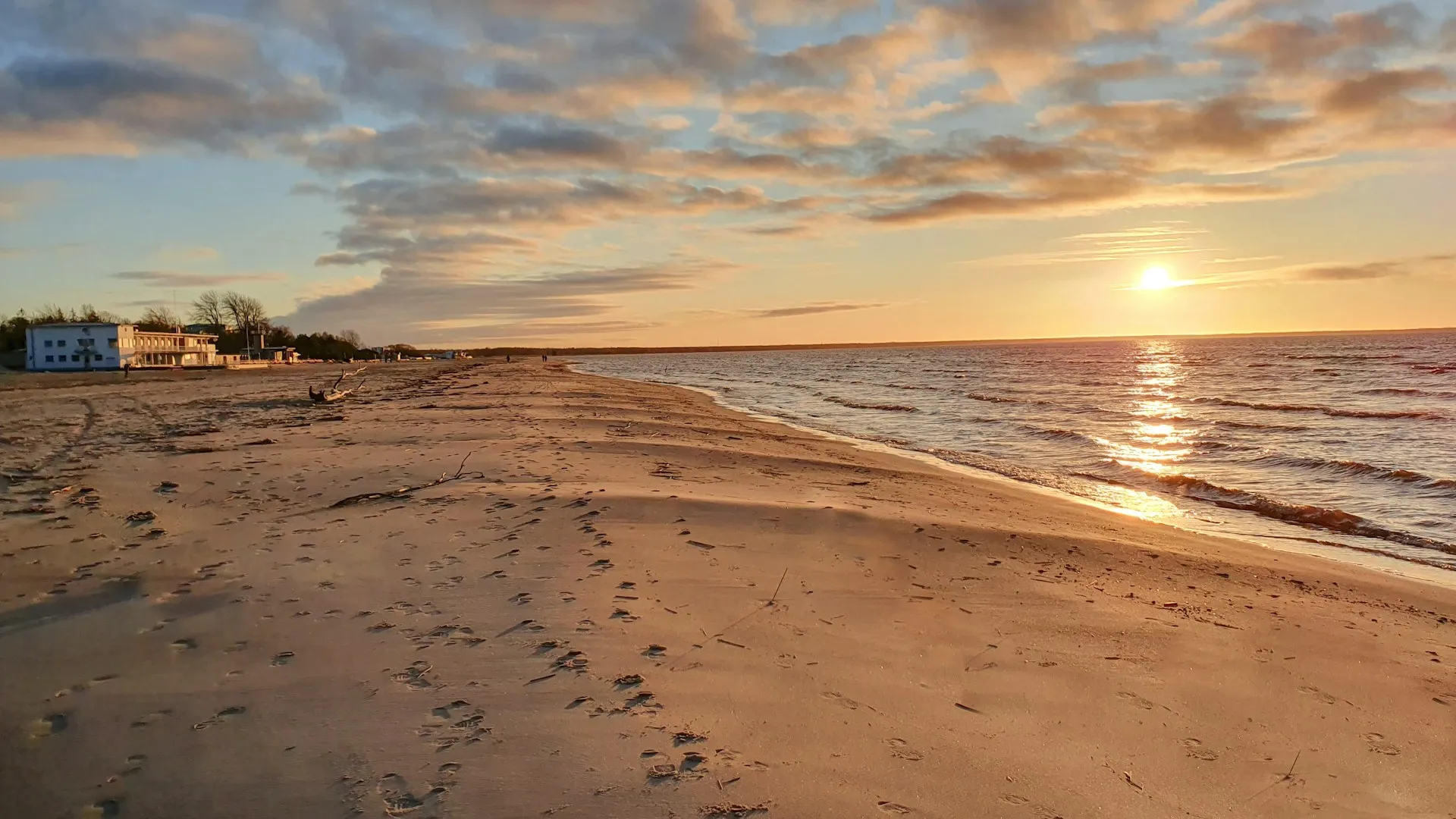
The central beach is a broad, gently sloping stretch of fine sand that runs through town until it meets the river mouth. The water stays shallow for a long way out, which makes it genuinely good for families and for anyone who does not like the shock of a cold, deep Baltic swim. The sand is soft and the bottom is even, so you can settle in for hours without much effort.
The beach runs free all day. In high summer it carries a family crowd and a stretch of volleyball nets; out of season it empties almost entirely, and a walk along the water line is one of the calmest things you can do in the town.
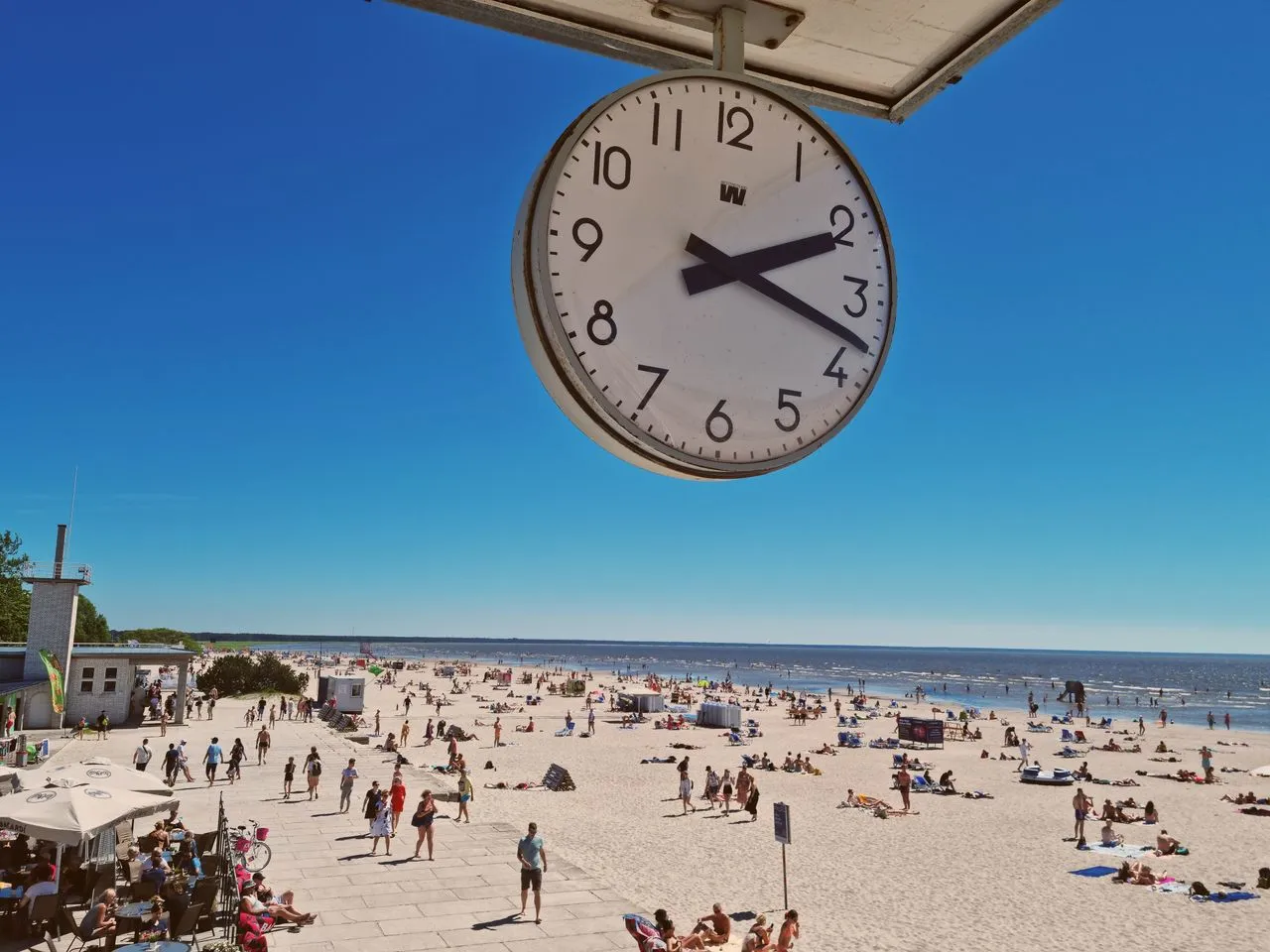
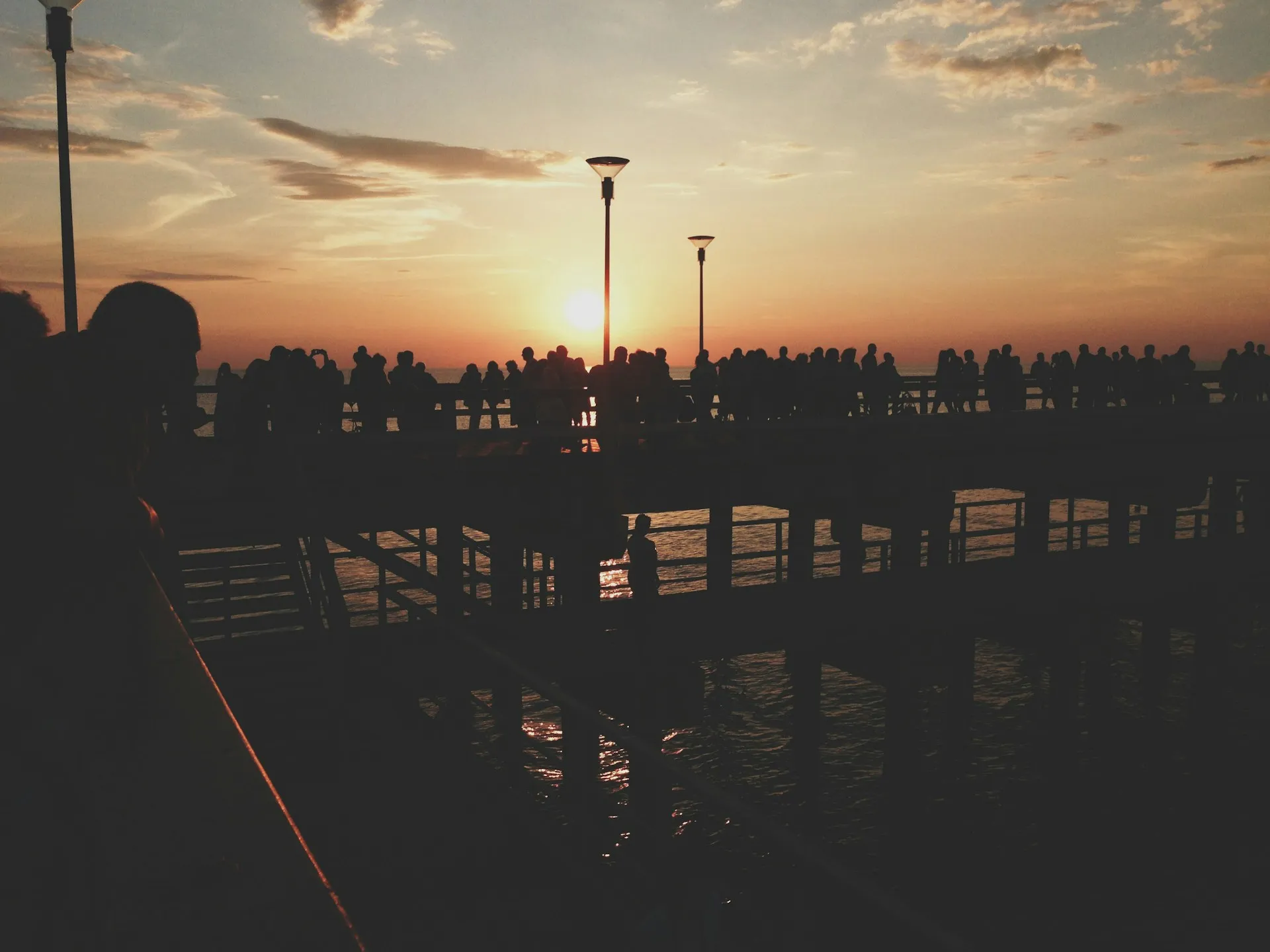
Behind the sand runs the beach boulevard, a broad walkway lined with linden trees, benches, and a line of small cafes and kiosks. It is the classic Pärnu evening: an ice cream in one hand, a slow walk along the row, and the sun going down late over the water. In June the light holds until almost midnight, and the boulevard fills with people doing exactly this.
A little way along, a playground and an open-air stage keep families occupied in the evening, so the promenade works as a dinner plan as much as a walk. Table out front, the sea at eye level, and you have found the night almost without trying.
The river and the old town
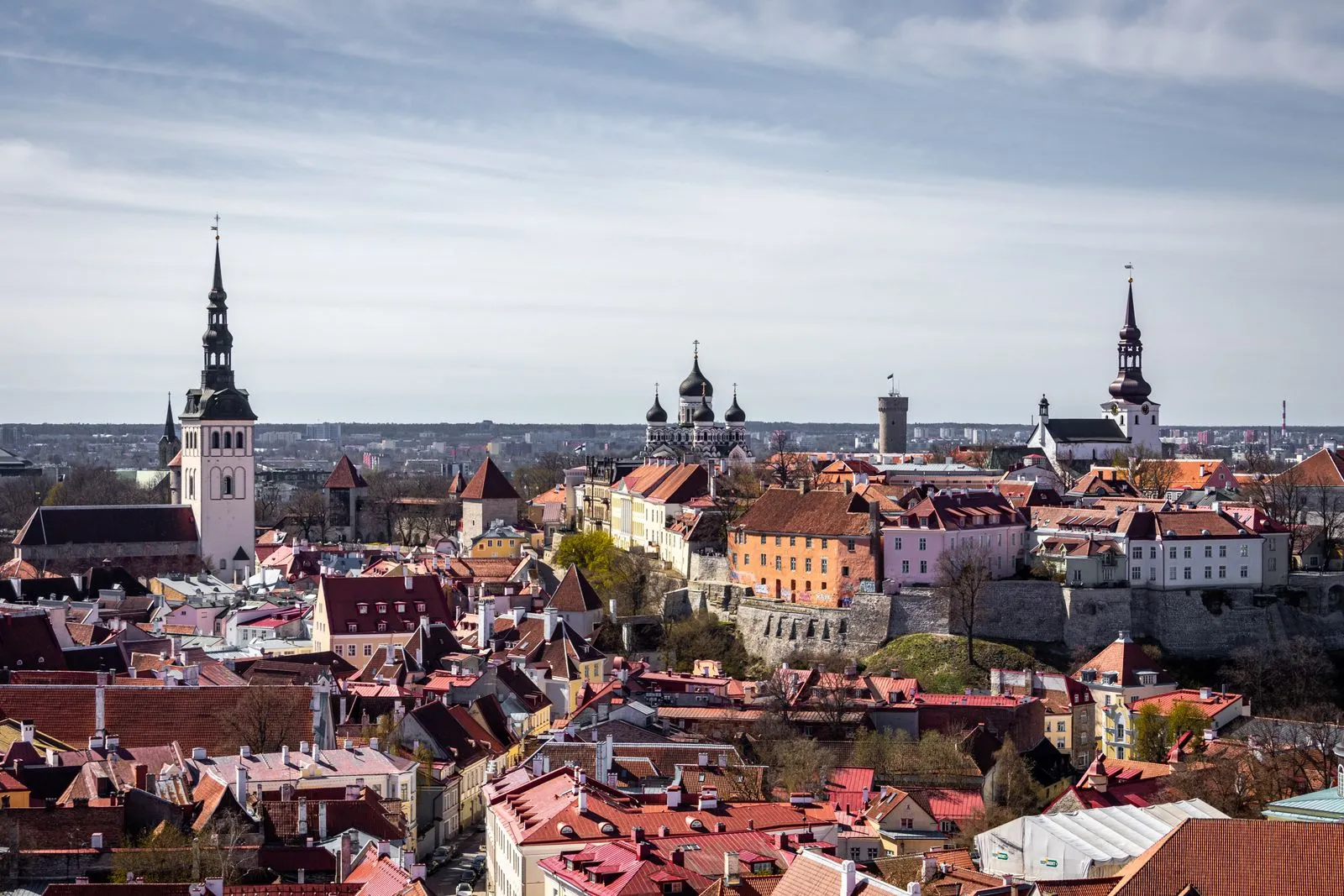
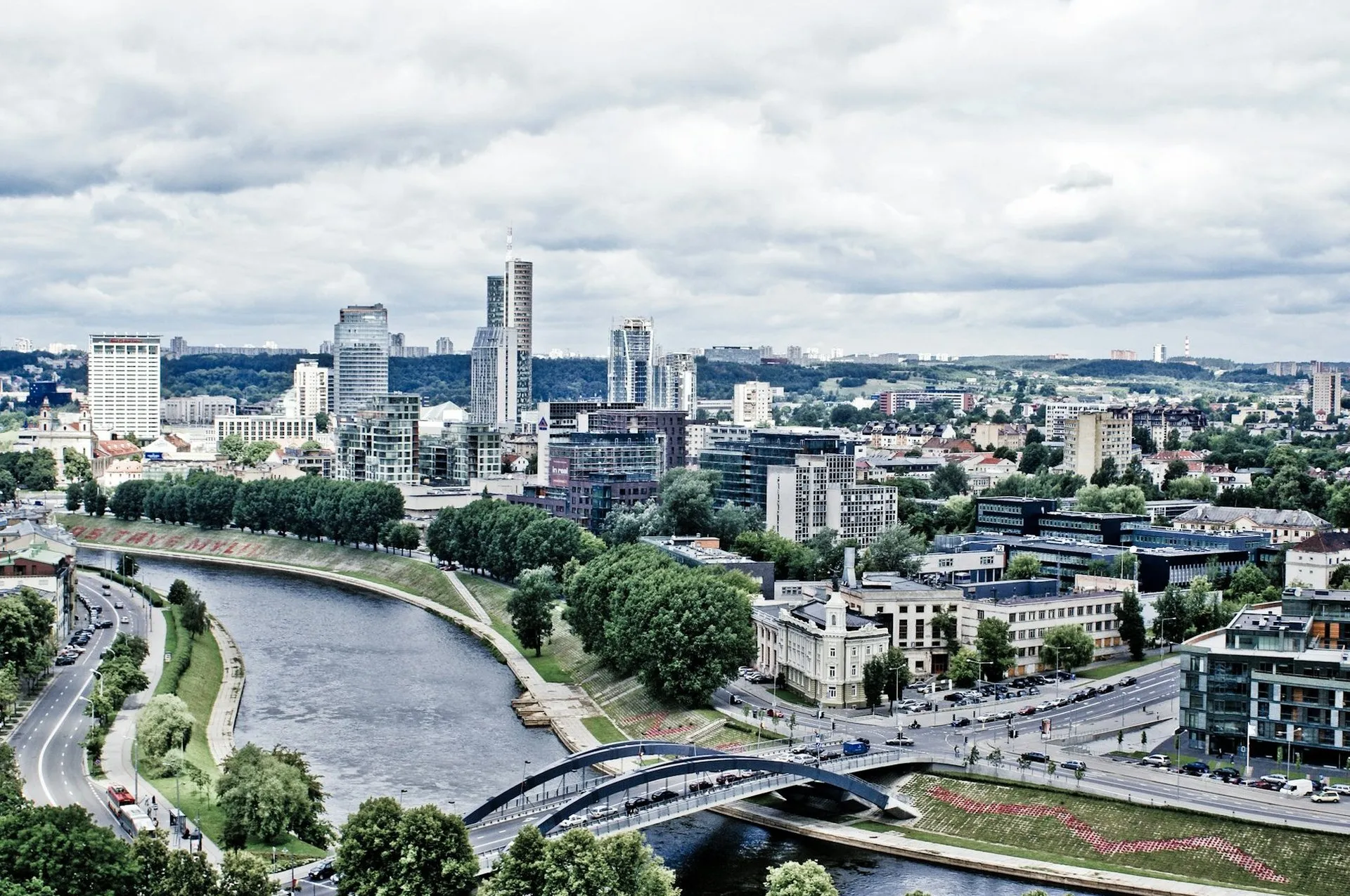
On the other side of the beach, the Pärnu River gives the town its second shoreline. A short riverside promenade leads back toward the center, and the old town sits a short walk from the water, full of restored wooden houses from the resort’s grander days.
The river lip is the quieter of Pärnu’s two waterfronts. Cyclists and walkers share a smooth path along the bank, small boats drift past, and cafes set tables right at the edge of the water. In good weather the riverside is the place to spend a slow morning or an afternoon coffee before the beach takes over.
Passenger boats run short trips along the river and out into the bay, an easy way to see the town from the water without much planning. The walk from the beach to the river mouth takes a few minutes and links the two halves of Pärnu into one long waterfront.
A few streets back from the river, the old town holds some of the best-preserved wooden architecture in Estonia. These are the summer houses of the resort era, painted in soft yellows, greens, and blues, set back behind low gardens. Wandering the grid of small streets takes an hour and costs nothing, and it is the closest the town comes to a museum you can simply walk through.
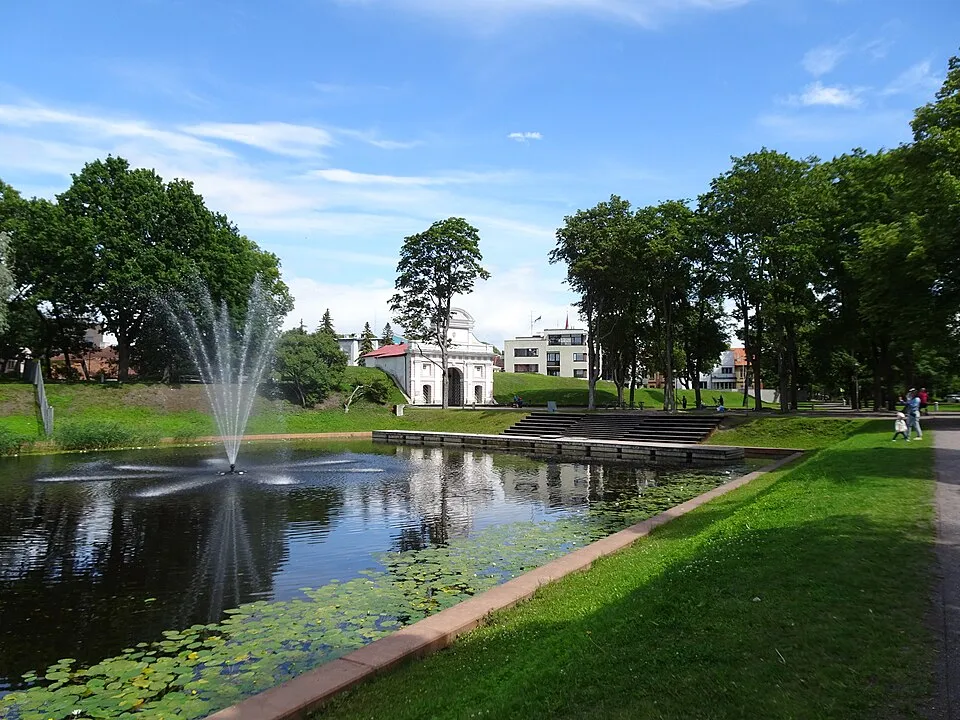
At the edge of the old town, the Vallikäär is a tree-lined bastion park built over the remains of the old fortifications. It gives a little height and shade, and at its far end a stretch of the former city wall lingers in the grass. It is a short, pleasant loop and a good place to rest after a long day on your feet.
Spas and mud baths
Pärnu owes its resort status to water in two forms, and the second is the healing mud that built the town’s reputation. The spa tradition here is old enough that grandparents brought their children, who now bring theirs.
The classic Pärnu treatment is the mud bath, and a handful of spas still deliver it in the traditional style: a warm mineral pack, a rest, a rinse, and a slow recovery in a quiet room. It is less a beauty ritual and more an old-fashioned health cure, and it remains the thing people have been coming here to do for generations.
Alongside the historic spas sit modern spa hotels with pools, saunas, and water parks. On a beach day gone wrong, or as a deliberate plan, a few hours in a sauna and a pool is a very Pärnu way to spend an afternoon and usually the easiest thing in the town to book on short notice.
When the wind is up, the flat, open water makes Pärnu a real spot for windsurfing and kitesurfing, and a couple of rental points along the coast get beginners upright in an afternoon. Canoeing and stand-up paddling are calmer ways onto the river, and both are easy to arrange in the summer season.
Pärnu also works as a base for a day out of town. The island of Kihnu, whose small community keeps a UNESCO-listed culture and its own way of life, is a ferry ride away and worth a full day. A little further inland, Soomaa National Park offers canoe trips through flooded meadows and forest in the seasonal high water. Neither needs a reservation months ahead, but both reward a bit of planning. For a wilder island stay, the ferries from near Pärnu also reach Saaremaa, Estonia’s largest island.
Eating and drinking
The food in Pärnu matches the town: plain, fresh, and built around the sea. You will not find a scene, but you will not go hungry either, and the riverfront tables are the best seat in town.
Smoked and grilled fish lead the menus, served with dark rye bread and often little else, which is all they need. Along the river and the beach boulevard you can find everything from a sit-down dinner of fresh catch to a takeaway stand, so the town works for both a proper meal and a feed on the run between swims.
For an ice cream and a slow evening, the beach boulevard is unbeatable. For a longer meal, step one street back from the water, where the prices drop and the tables get easier to find, and order what the sea landed that day.
Practical info
7 readingsGetting there
Fly into Tallinn’s airport, then hop on a bus for the last hour to the coast. Search flights to Tallinn on Kiwi.com and compare buses from Tallinn to Pärnu on Omio.
Getting around
Pärnu is small and walkable, and you will not need a car inside the town. Buses connect Tallinn and Pärnu throughout the day, and once there, the beach, river, and old town are all within easy walking distance.
Where to stay
Stay near the beach or the river so everything is on foot. The spa hotels double as an indoor plan for a rainy day, and the town fills fast in July and August, so book ahead for the high season.
Budget
The beach, promenade, and old town are free, which keeps the town affordable. A spa visit, a seafood dinner, and a hotel room drive the cost, but Pärnu still runs cheaper than a comparable day in Tallinn. Eating one street back from the water cuts the bill noticeably.
When to visit
June through August brings the warmth and the full summer mood, with long light evenings. Late spring and early autumn are quieter, cheaper, and still pleasant by the water. Winter is for the spas and a very different, very calm town.
What to eat
Smoked and grilled fish with dark rye bread is the reliable choice. Add an Estonian ice cream from the beach boulevard and, if the mood takes you, a drink at a riverside table. Keep one meal simple and the town rewards it.
Language
Estonian is the official language. English works well in shops, hotels, and restaurants, especially among younger people. A simple thank you, aitäh, always lands well.
This post contains affiliate links. Booking through them earns a small commission at no extra cost to you, and helps keep the site running. Thank you if you do.
Frequently asked questions
How do I get to Parnu from Tallinn?
Fly into Tallinn's airport, then take a bus or drive south along the coast. Parnu is about 130 kilometres from Tallinn, and buses run throughout the day, with the trip taking roughly an hour and a half.
Is Parnu worth a day trip?
Yes, a day covers the beach, the river promenade, and the old town. A weekend adds a proper spa day and a trip out of town to Kihnu island or Soomaa National Park.
What is Parnu known for?
Parnu is Estonia's summer capital, with a long sandy beach through the centre, a river promenade, the Vallikaar bastion park, and a mud-bath spa tradition that reaches back well over a century. The town fills with families in summer and goes quiet the rest of the year.