Palanga is the town the rest of Lithuania saves up for. It is the country’s busiest seaside resort, a strip of white sand and wooden cafes on the Baltic coast that fills to bursting every summer and folds back into a quiet coastal town as soon as the season ends. Both versions are worth your time, and the trip works best if you know which one you are buying.
There is a pier that steps out over the sea, an amber museum inside a Neo-Renaissance palace, and a beach that runs for kilometers in each direction. None of it takes much planning, which is the point. You come down, you walk, you swim when the water lets you, and you eat something fried. That is most of the weekend sorted.
The town sits on Lithuania’s western coast, around 330 kilometers from Vilnius. The route runs across flat farmland and pine forest, and the bus climbs the last low dunes before the sea appears. Most people come for the day from Vilnius or Klaipėda, and a good number stay the weekend, which is the better way to meet both halves of the town.
The appeal is plain but not shallow. The beach is genuinely wide and soft, the amber collection is one of the best in Europe, and the town has the easy confidence of a place that has been hosting summer visitors for over a century. You do not need to work hard here, and the town rewards that.
Getting there
Palanga is around 330 kilometers from Vilnius, about four and a half hours by bus across the farmland of western Lithuania. Klaipėda is the nearest big city, 25 minutes away.
Budget
The beach, the pier, and the park are free. A museum ticket, a seafood lunch, and a room make up the real costs, and the town still runs cheaper than a comparable weekend in Vilnius.
Best time
June through August for warmth and the full resort energy. May and September are quieter, cheaper, and still pleasant once the sun is out.
Duration
A day covers the pier, the beach, and the amber museum. A weekend adds the dunes, the coast further out, and a proper seaside meal.
The beach and the pier
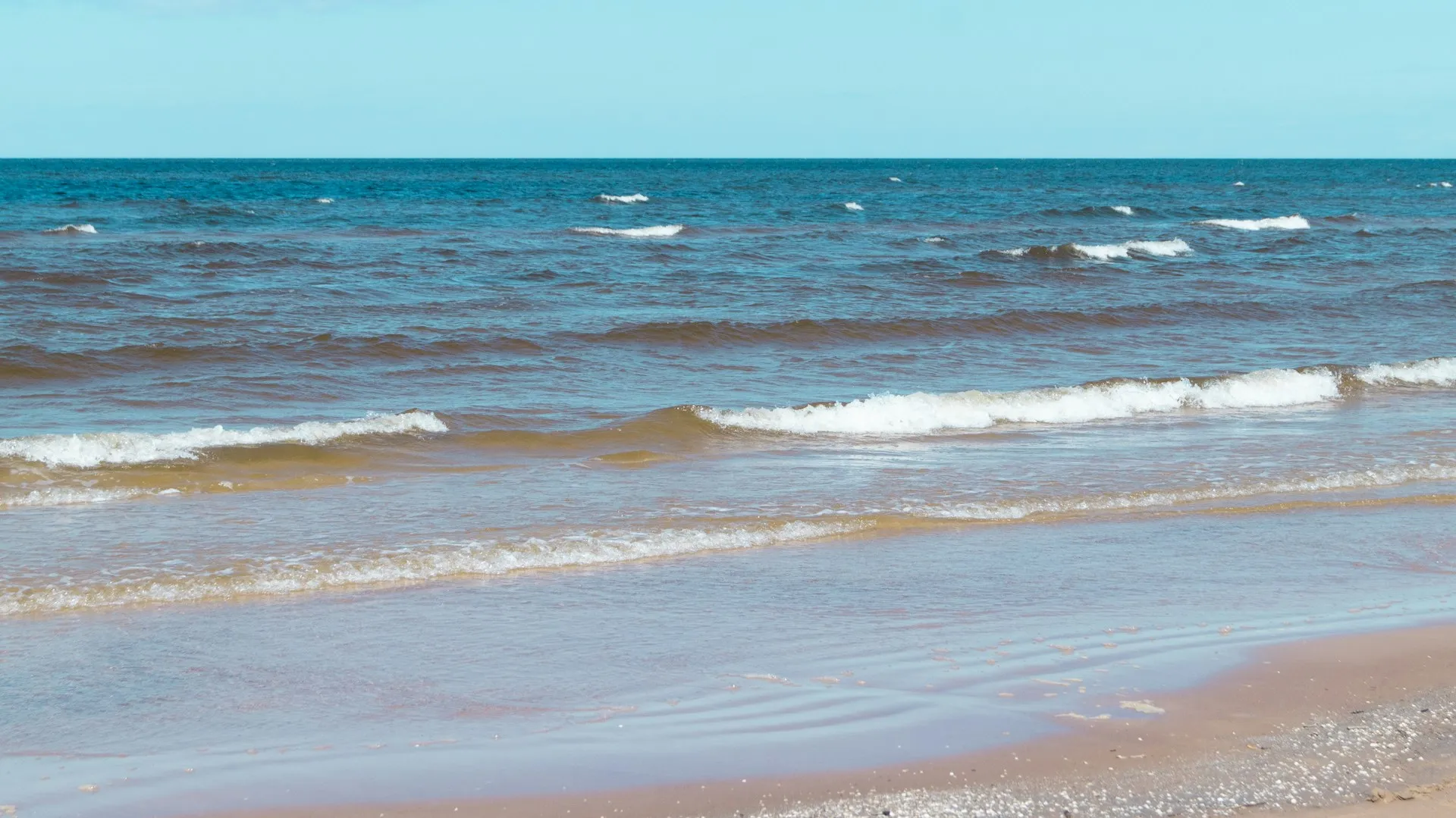
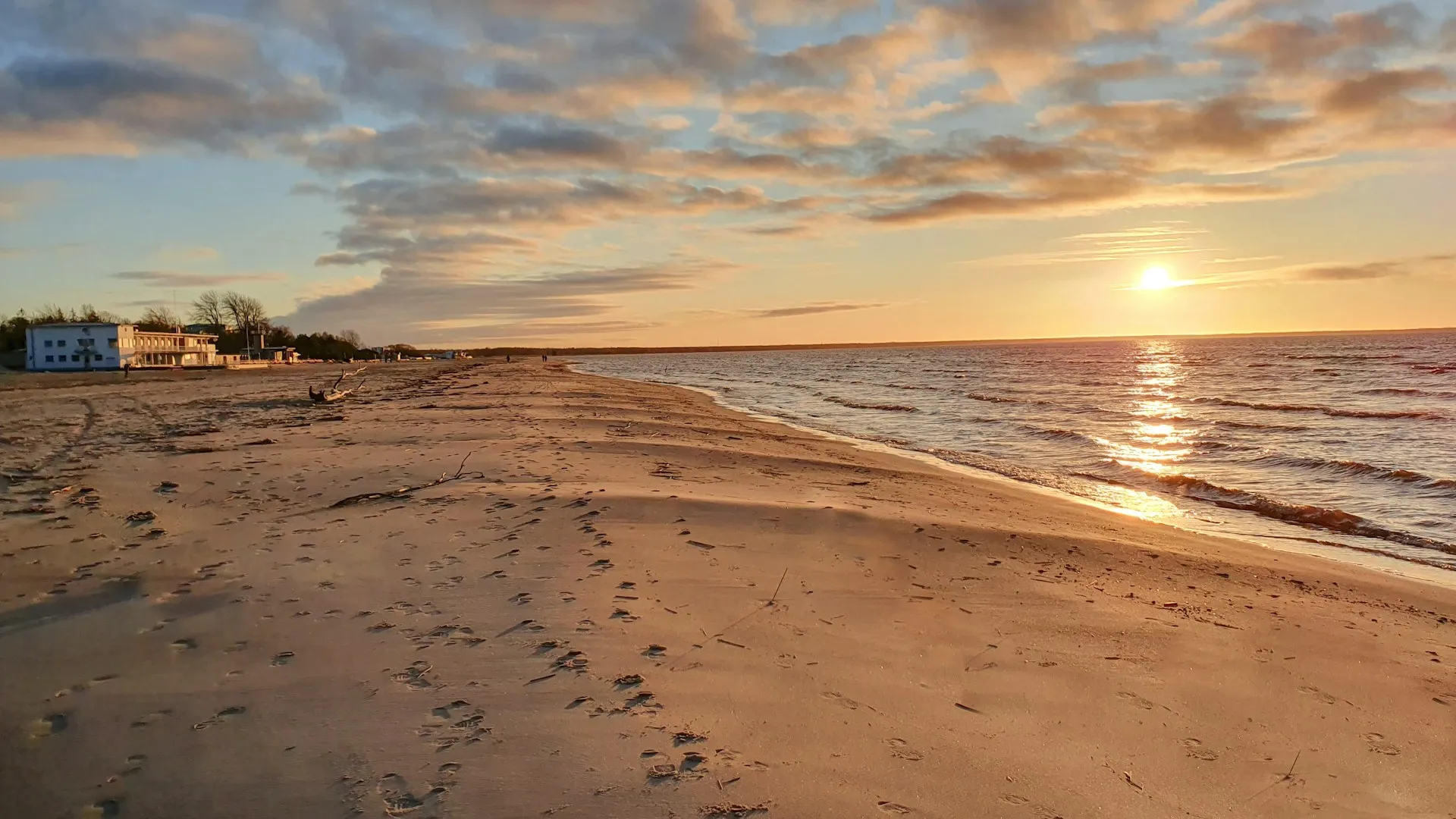
The beach does most of the town’s work. It is wide, soft, and backed by low grassy dunes, and it stretches in both directions until the coastline takes over. In high summer the strip opposite the pier runs busy, but the sand is long enough that a short walk empties it out fast.
The stretch of sand in front of the town is the heart of it all: shallow enough at the edge for families, wide enough that you can claim a quiet patch within a few minutes midday. The bottom shelves gently and the water is cold even in high summer, which is what a Baltic swim always is, and it clears your head like nothing else.
Away from the pier the beach quiets quickly. Walk a few hundred meters and you trade the cafe crowds for a nearly empty strand with the dunes behind you and nothing ahead but the horizon. That version of Palanga is the one locals use, and it costs you nothing but the walk.
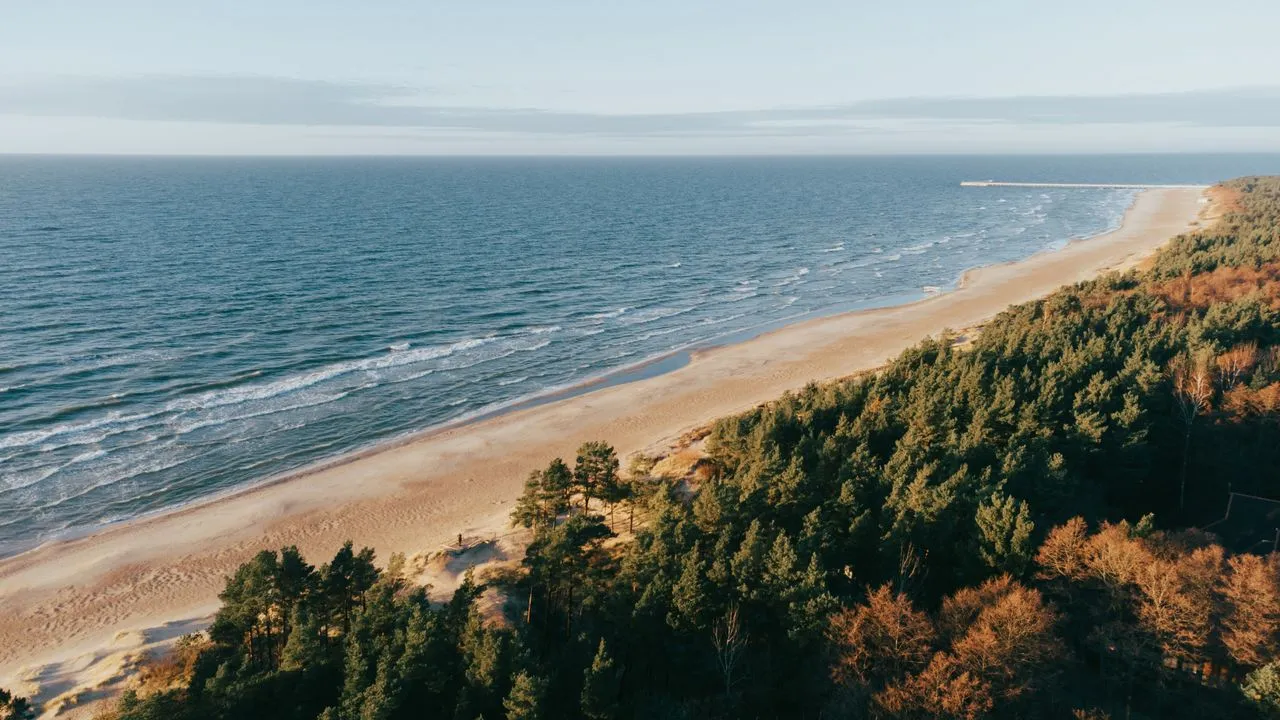
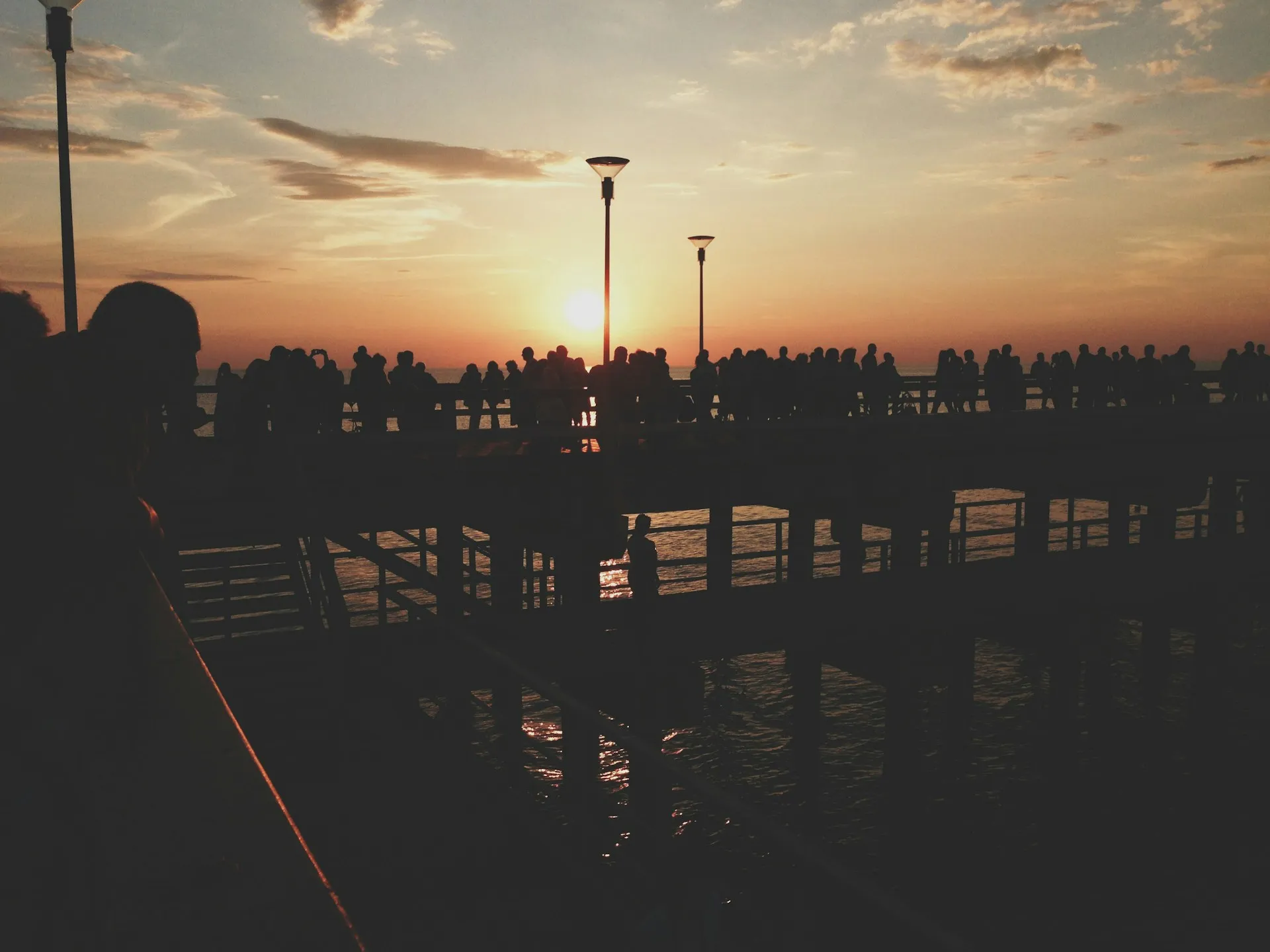
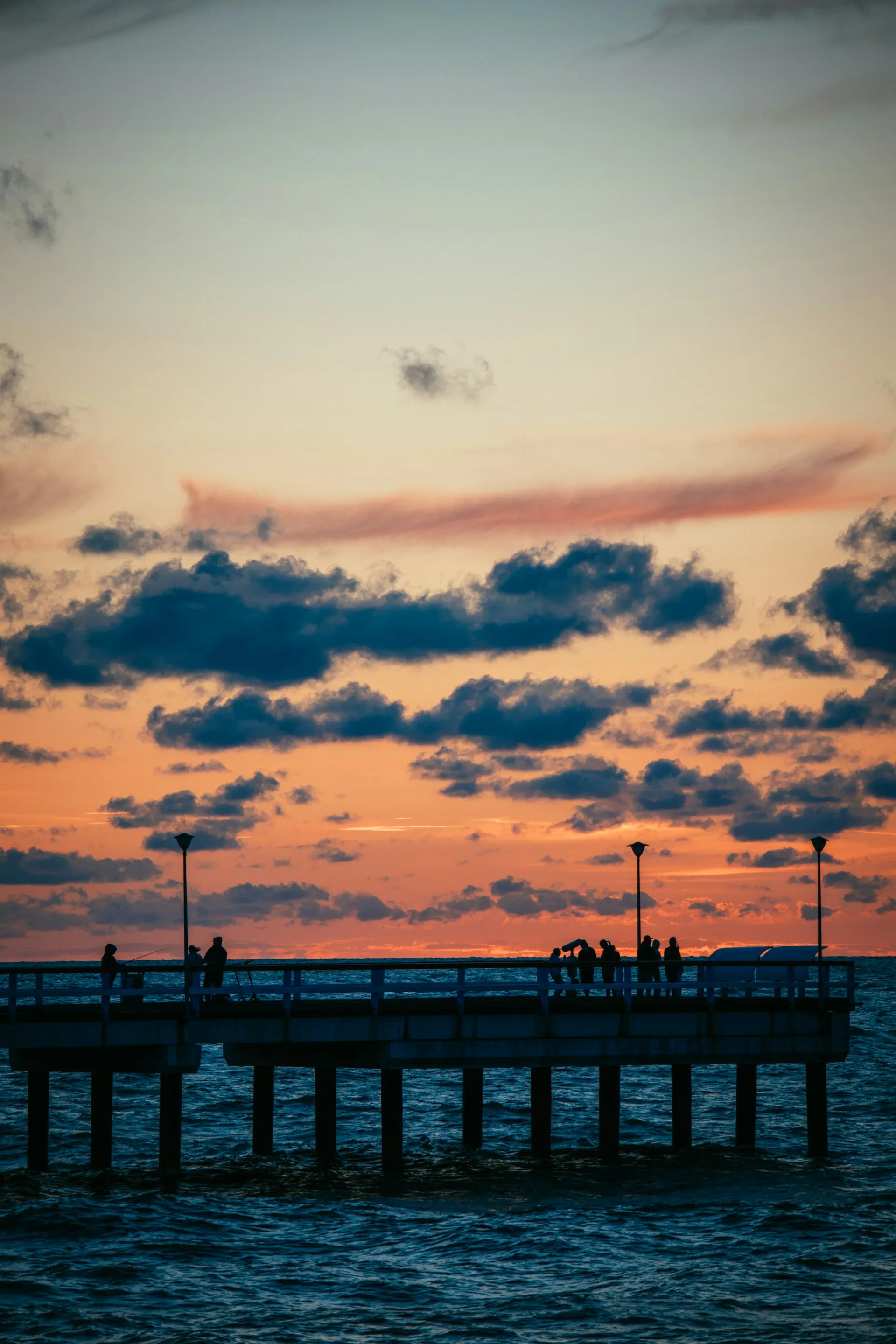
The wooden pier, the Palangos tiltas, runs about 470 meters out over the water and ends in a little pavilion. It is L-shaped, which gives it a proper arrival point and the best feeling of being out on the sea without a boat. In summer it carries a slow, happy crowd at sunset, and a walk to the end and back is the classic Palanga evening. Palanga is also part of the Grand Baltic Loop, the fourteen-day route through all three countries.
Go early in the morning and you might have it to yourself, with the light flat on the water and the town not yet awake. It is free, always open, and the single most reliable thing in the town.
Birutė Park and the Amber Museum
Just behind the beach, the town’s lawn runs into a proper park, and at its heart stands the reason most people come: a palace full of Baltic amber, the softened stone that built this coast’s reputation.
The museum lives in the Tiškevičiai Palace, a 19th century Neo-Renaissance mansion set back among the trees. Its collection runs to around 28,000 pieces, with enough variety to cover the whole story at once: how amber forms, the fossils it traps, and the trade routes that carried Baltic gold across Europe. The inclusions, insects and leaves frozen for millions of years, are the quiet highlights.
It is one of the most visited museums in the country, and it earns the crowd. Plan for an hour inside, then spend the rest of the afternoon on the paths around it.
The botanical park around the palace is worth a slow walk on its own: shaded paths, sculptures, small planted beds, and the low, forested rise of Birutė Hill at the far end. A short climb tops out at a little chapel and a view over the dunes toward the sea.
The park is the green middle of the town, where the beach crowd comes to cool off and the morning walkers take their laps. It is free, and it runs right up against the beach, so you can move from sand to shade to palace in a single afternoon without crossing a road that matters.
The town and Basanavičiaus Street
Between the beach and the station, Palanga’s old center is small, walkable, and given over to the season. One long pedestrian street does the heavy lifting, and everything you need sits on it or a minute off it.
This is Palanga’s spine, a pedestrian street running inland from the beach and lined with cafes, gift shops, and ice cream stands. In summer it is loud and bright and full of families; out of season it goes quiet and pleasant, which is its own charm. Either way it is where you end up, because it connects the sand to everything else.
For a slower version of the town, step onto the small streets off the main drag. Wooden villas and guesthouses from the resort’s early days sit behind low gardens, and a quiet wander here costs nothing and shows you the town before the crowds.
Dunes and the wider coast
Palanga trades on its beach, but the coast around it does the more interesting work. The dunes that back the sand stretch for miles, and a bicycle turns the whole thing into a proper day out.
North of town the beach and its dunes run on toward the small resort of Šventoji, and the sand stays quiet most of the way. Renting a bicycle and riding the coastal path between the two is the best way to see this stretch: you get the dune landscape, long views over the water, and a real sense of how little of this coast is built on.
Southward, the coast bends toward the Curonian Lagoon and Klaipėda. Keep it simple: pick a direction, follow the water, and you will have a day that needs no itinerary and no tickets.
Day trips
Palanga works well as a base because the coast around it is short on distance and long on things to see. Two trips fit neatly into a longer stay.
Twenty-five minutes south, Klaipėda is the region’s port city, with an old town of half-timbered warehouses and a waterfront that runs busy with ferries. From its harbor, a short crossing puts you on the Curonian Spit, the long dune-covered sandbar that separates the lagoon from the Baltic.
The spit is where this coastline gets genuinely dramatic: huge shifting dunes, forests, and the famous dead sand that moves with the wind. It is a longer day, with a ferry and transport involved, but it is the natural extension of a Palanga trip for anyone who wants the wild version of the Baltic coast. Browse Curonian Spit tours
Eating and drinking
Palanga’s food is beach food with Lithuanian roots: fried and smoked fish, grills, and an ice cream scene that takes itself seriously. The best tables are the ones closest to the pier and the water.
Smoked fish and fresh catch lead the menus, served in cafes that spill onto the pavement along Basanavičiaus and the promenade. You can sit down for a proper grilled fish dinner or grab something fried to eat on the beach, and the town handles both easily.
Save room for the ice cream, which is a small industry here in summer. Take one along the pier, let the sea do the rest, and you have closed the Palanga loop the way it is meant to close.
Practical info
7 readingsGetting there
Palanga sits around 330 kilometers from Vilnius, about four and a half hours by bus across flat farmland. Klaipėda, the nearest city, is 25 minutes away by bus or car.
Getting around
The center is small and everything worth seeing is on foot: the beach, the pier, the park, and the museum all sit within a ten minute walk of each other. A bicycle helps for the coast paths north to Šventoji, but it is optional for a day in town.
Where to stay
Stay within a short walk of the beach or Basanavičiaus so everything is on foot. The town fills fast in July and August, when rooms book out weeks ahead, so reserve early for the high season.
Budget
The beach, the pier, and the park are free, which keeps the town affordable. A museum ticket, a seafood dinner, and accommodation drive the cost, but Palanga still runs cheaper than a comparable weekend in Vilnius. Eating a block off the main street cuts the bill noticeably.
When to visit
June through August brings the warmth, the long evenings, and the full seaside energy, with the beach at its busiest. May and September are quieter, cheaper, and still pleasant when the sun is out. Winter is for the town’s quiet version and very little else.
What to eat
Smoked and fried fish is the reliable choice, eaten at a pavement cafe or on the beach. Add an ice cream from the street near the pier, and keep one meal simple and the town rewards it.
Language
Lithuanian is the official language. English works well in shops, hotels, and restaurants, especially among younger people and in the summer season. A simple thank you, ačiū, always lands well.
This post contains affiliate links. Booking through them earns a small commission at no extra cost to you, and helps keep the site running. Thank you if you do.
Frequently asked questions
How long is the Palanga pier?
The Palangos tiltas, the wooden pier, runs about 470 metres out over the Baltic. It is L-shaped, with a little pavilion at the end, and a walk to the end and back is the classic Palanga evening. The pier is free and always open.
How do I get to Palanga from Vilnius?
Palanga is around 330 kilometres from Vilnius, about four and a half hours by bus across flat farmland and pine forest. Klaipeda, the nearest big city, is 25 minutes away by bus or car.
Is the Palanga amber museum worth visiting?
Yes. The Amber Museum sits in the Tiskeviciai Palace, a 19th-century Neo-Renaissance mansion, and holds around 28,000 pieces, including Baltic amber with insects and leaves trapped for millions of years. Plan for an hour inside.