In 2025, 2.8 million visitors stayed in Latvian hotels and guesthouses, up 4.5% on the year (Central Statistical Bureau of Latvia). Riga, Gauja National Park, and Jūrmala took the bulk of those stays.
The country runs on the euro, sits inside the Schengen area, and fits inside a single long weekend if you plan it tight. The capital is walkable in a day. The coast is a 30-minute train ride. The national park starts an hour east.
That compactness is what makes Latvia work as a short trip. It also means you can stand on the edge of a bog boardwalk at 7 a.m. and be back in Riga for lunch.
Prices sit well below Western Europe. A sit-down dinner in Riga runs €10–18 with a drink, half what you would pay in Stockholm or Copenhagen. Hotels in the Old Town start around €60 in shoulder season. Outside Riga, a guesthouse double can drop to €40.
Getting there
Riga International Airport (RIX) handles direct flights to over a hundred destinations. Buses and trains link Riga to Tallinn and Vilnius in four to seven hours. Ferries run from Stockholm and Lübeck.
Budget
Latvia is one of the most affordable countries in the EU. Prices rise in July, August, and around Christmas, but the country stays good value year-round.
Best time
June to August for beaches and the Jāņi Midsummer festival. May and September are the sweet spot for sightseers. December brings the Old Town Christmas markets.
Duration
A weekend in Riga gives a real taste. A week covers the highlights. Ten days or more lets you include the far west or a full Baltic circuit.
Best time to visit
June through August brings the long days and the crowds. Seventeen or eighteen hours of daylight turns the Gauja valley green, and Jūrmala’s beaches fill by mid-morning. Midsummer, called Jāņi (yah-nee), falls on June 23 and 24. The sun barely dips below the horizon that night. Bonfires burn in every neighbourhood, oak-leaf crowns appear on heads, caraway cheese hits the table, and Latvia essentially stops working. Most shops close on the 24th, and a stranger will probably invite you to a bonfire before you finish asking directions.
May and September stay mild and quiet. The trees have not yet turned in early May, and the birch forests along the Gauja start to colour in late September. October to April is the trade-off. December compensates with Christmas markets in the Old Town, skating rinks, and snow on the pines. Baltic summers also rain more than the brochures suggest, so pack a light jacket no matter when you go.
Riga
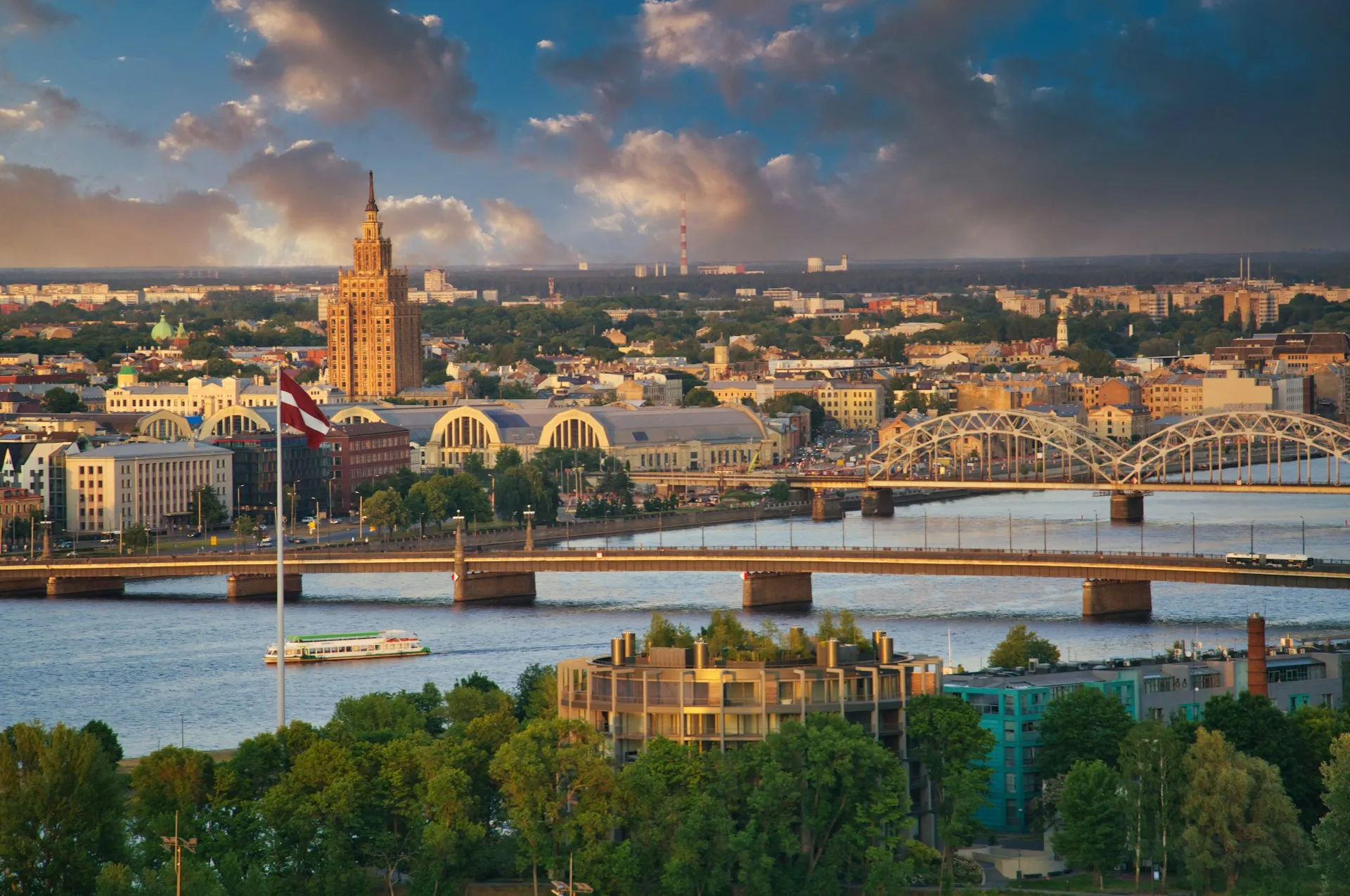
Riga holds nearly three-quarters of Latvia’s foreign visitors, and most trips start there. The city was founded in 1201 as a Hanseatic trading post, served as an Art Nouveau showcase between 1904 and 1914, and is now a capital of around 630,000 people. The old town (UNESCO-listed since 1997) covers a walkable grid. Around 800 Art Nouveau buildings cluster in a neighbourhood north of the centre, with about fifty of them protected for their facades alone.
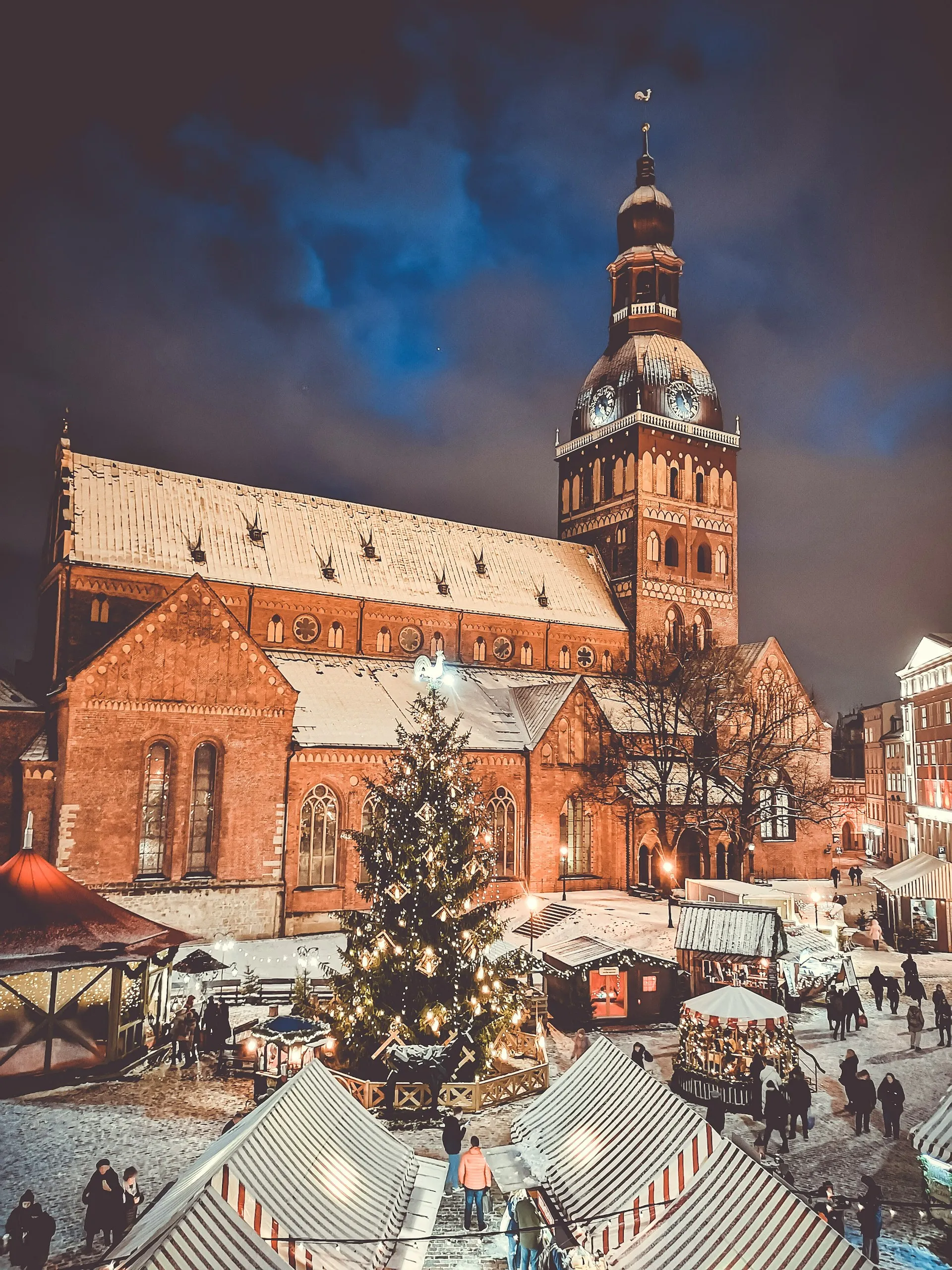
Start in the Old Town. Three Brothers is the tight cluster of medieval houses on Maza Pils Street, the oldest residential buildings in town, all three still standing next to each other. The House of the Blackheads faces the Town Hall, with a gabled roof rebuilt after 1946. St. Peter’s Church spire is visible from most of the centre. Dome Square, with the cathedral and its organ, sits in the middle of it all.
Walk north for the Art Nouveau quarter. Alberta Street is the densest hit: a single block of sculpted facades with masks, vines, and bare-breasted nudes peering down. The Rīga Art Nouveau Museum at Alberta 12 lets you step inside a 1903 apartment with the original floor tiles and door handles still in place. End at the Central Market, five former Zeppelin hangars repurposed into one of Europe’s larger food halls, good for smoked fish, dark rye, and farmer’s cheese. For the full walking breakdown, see the Riga guide.
Where Latvia's foreign visitors came from in 2025
Top 5 source markets, non-resident arrivals at tourist accommodation (thousands)
Source: Central Statistical Bureau of Latvia, 2025
- Lithuania272.5k
- Estonia188.1k
- Germany165.2k
- Finland121.2k
- United Kingdom113.4k
Gauja National Park
Latvia is 54% forest by land area, one of only five EU countries over the halfway mark, and cut by more than 12,000 rivers and 3,000 lakes (Eurostat). Gauja National Park is the showcase: 90,000 hectares established in 1973, the country’s first and largest, with the 452-km Gauja River carving the valley that defines it. Turaida Castle, Gūtmaņa Cave, and the Sigulda bobsled track all sit within an hour of each other.
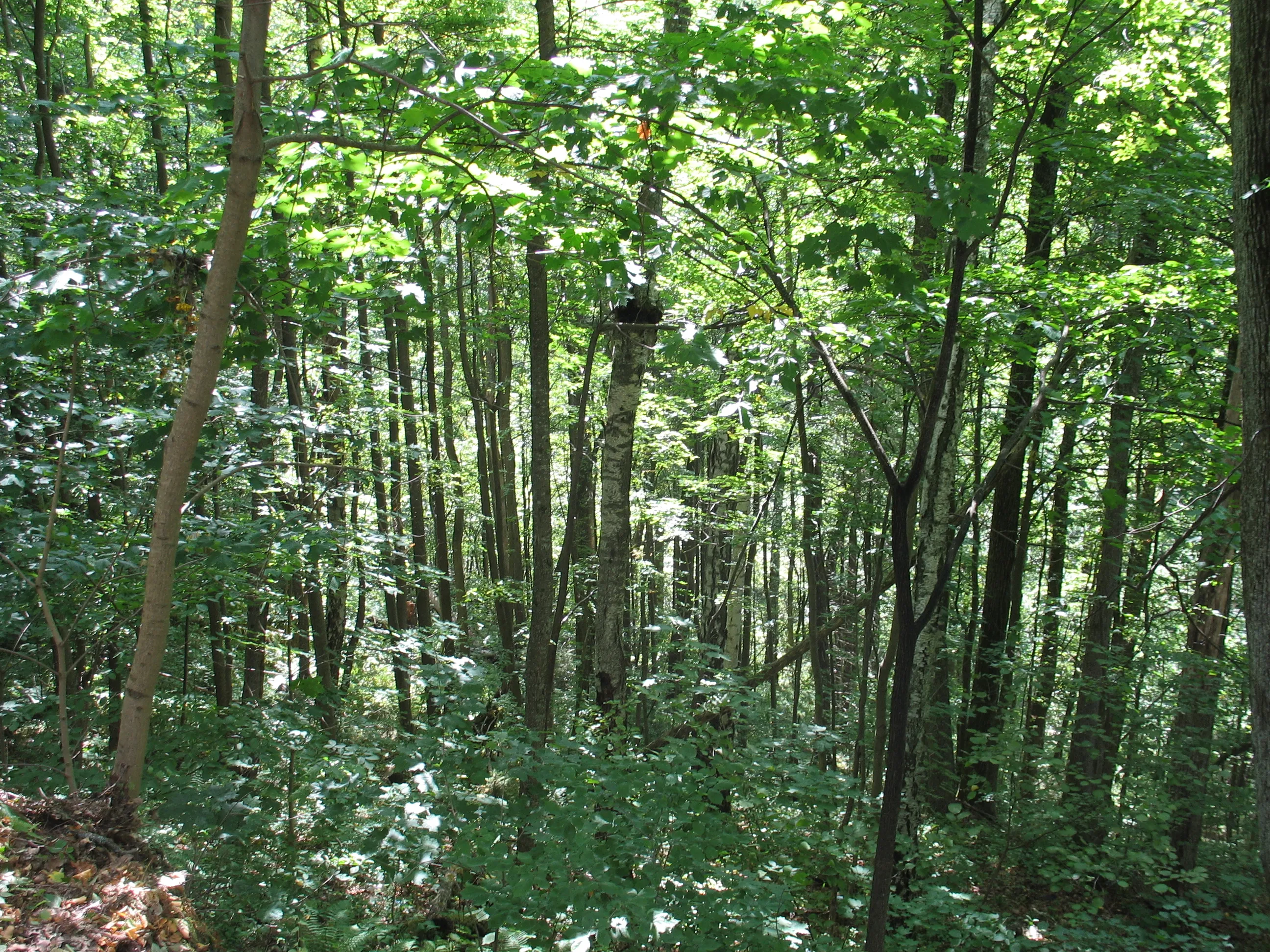
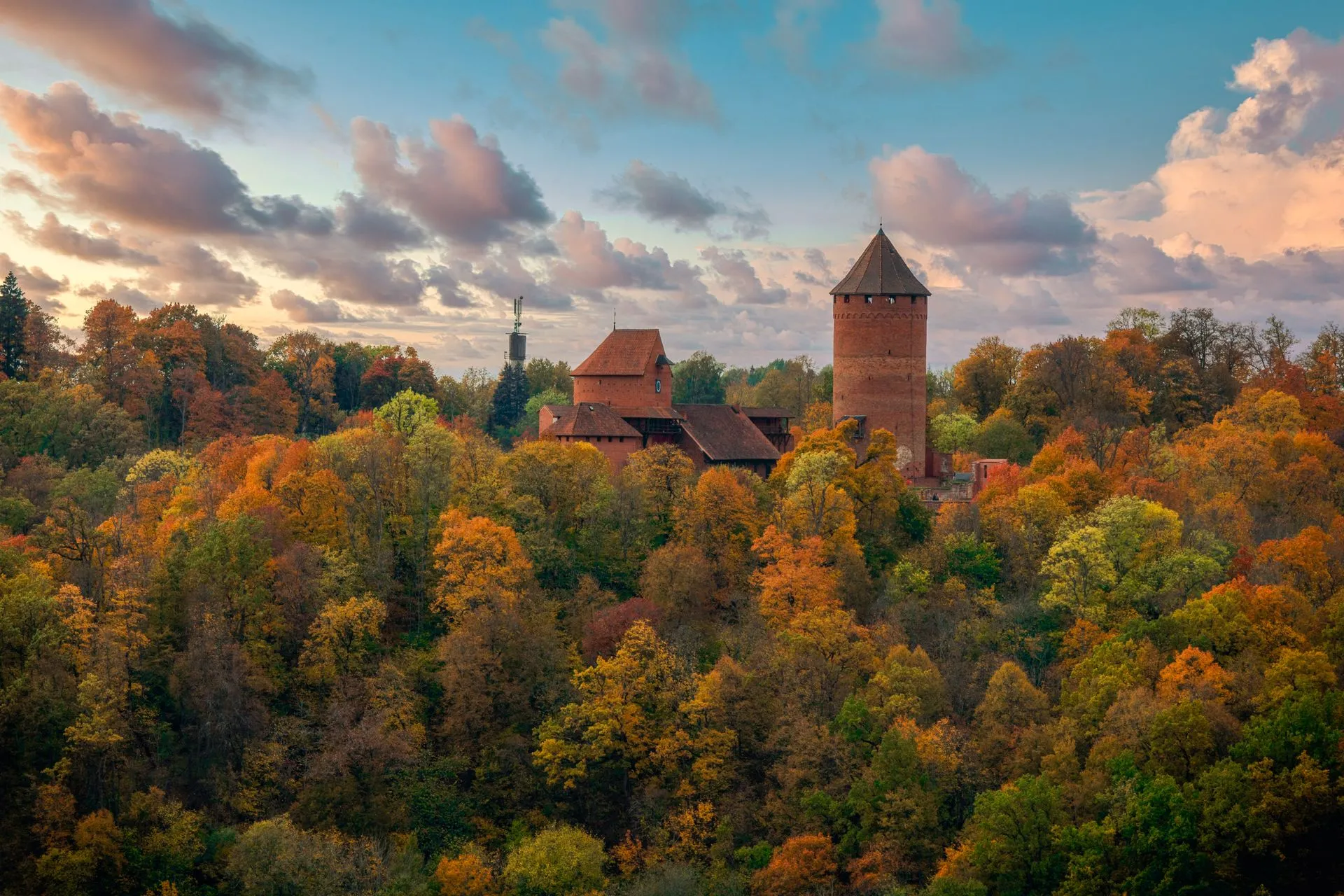
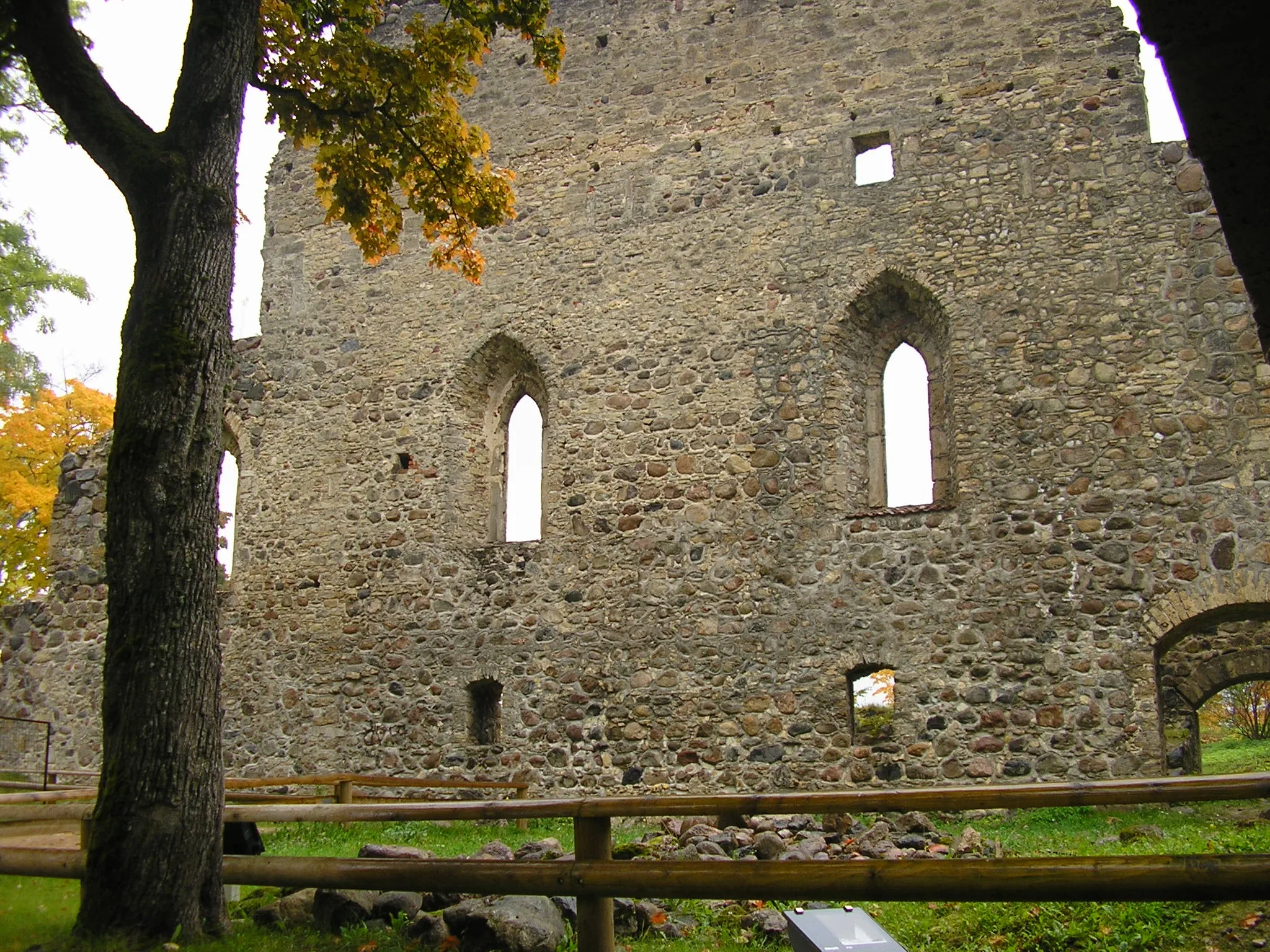
Sigulda is the base. It is 50 km east of Riga, with trains every hour or two. The town fits a one-day nature fix: take the cable car across the Gauja valley, walk to Turaida Castle and its sculpture park, then duck into Gūtmaņa Cave (the deepest in the Baltics, with names carved into its sandstone from the 17th century). We have a full Sigulda and the Gauja valley guide.
The coast and Jūrmala
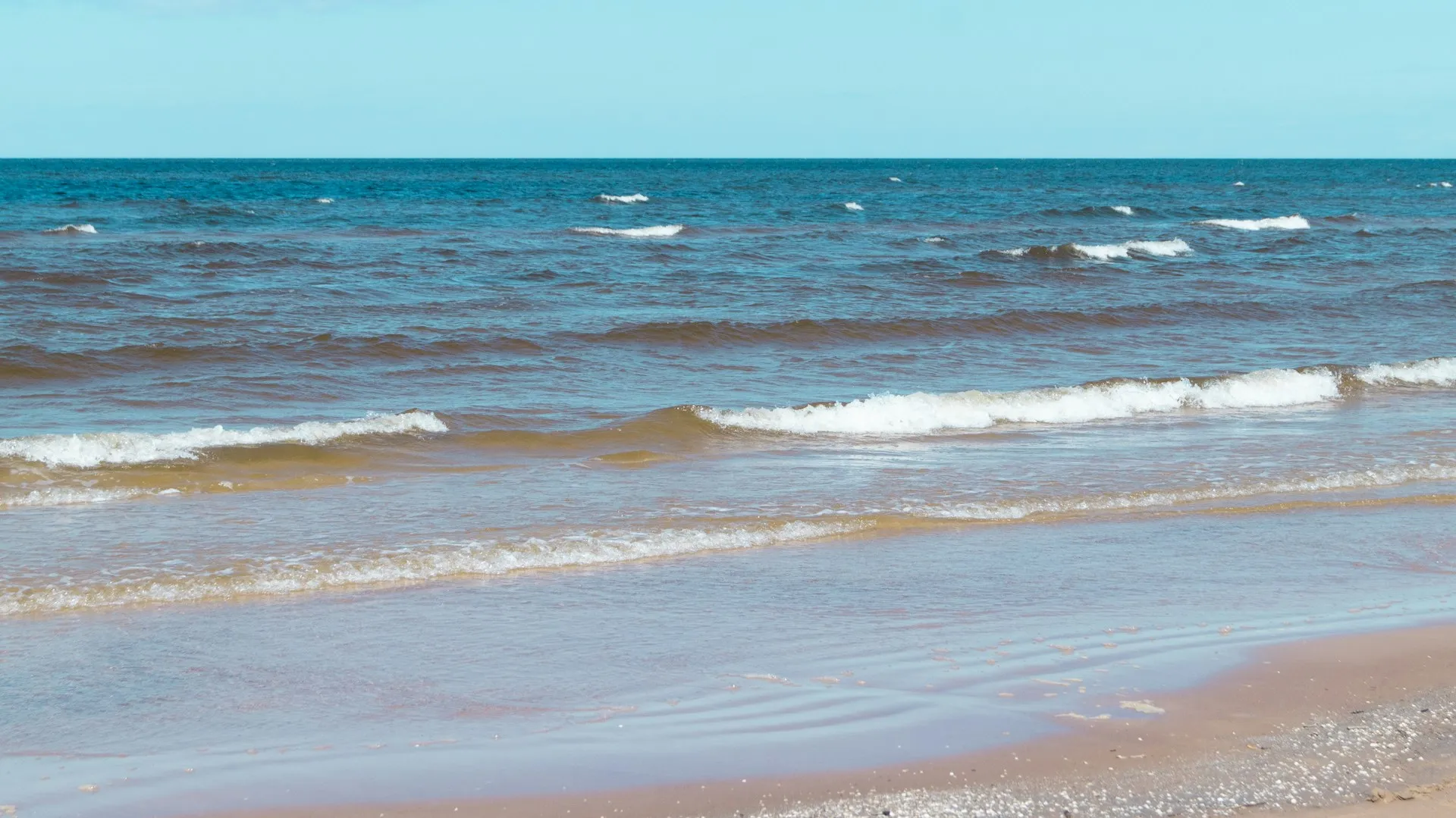
Latvia has about 500 km of Baltic coastline, most of it empty. Jūrmala is the exception. The town runs 33 km along a single stretch of pale sand, backed by pine forest and a string of wooden villas from the early 20th century. Trains reach it in 25–30 minutes from Riga. In summer the beach fills by 11 a.m. In winter the same train still runs, and the boardwalk is yours.
Ķemeri National Park starts just past Jūrmala’s northern edge. Its boardwalks cross raised peat bogs that look like other planets in autumn mist. The old Soviet spa sanatorium in the park’s centre is a strange stop: a working sulphur-spring facility inside a Stalinist building, with day passes for non-guests. The full Jūrmala guide covers the resort town in more depth.
Where non-resident visitors stayed in 2025
Share of non-resident arrivals at tourist accommodation (%)
Source: Central Statistical Bureau of Latvia, 2025
- Riga71.8%
- Jūrmala7.7%
- Mārupe3.8%
- Liepāja2.8%
- Sigulda1.7%
- Other12.2%
1.7M non-resident arrivals
Kuldīga and the west
Kuldīga was added to the UNESCO World Heritage list in 2023, recognising the town’s 17th- and 18th-century wooden houses, the brick bridge over the Venta, and the layout that grew up around both. The Venta Rapid is the draw for most visitors. At about 240 m wide and barely 2 m high, it does not fall so much as fold, and in late spring you can wade across on the riverbed. The town empties after the school groups leave in late afternoon.
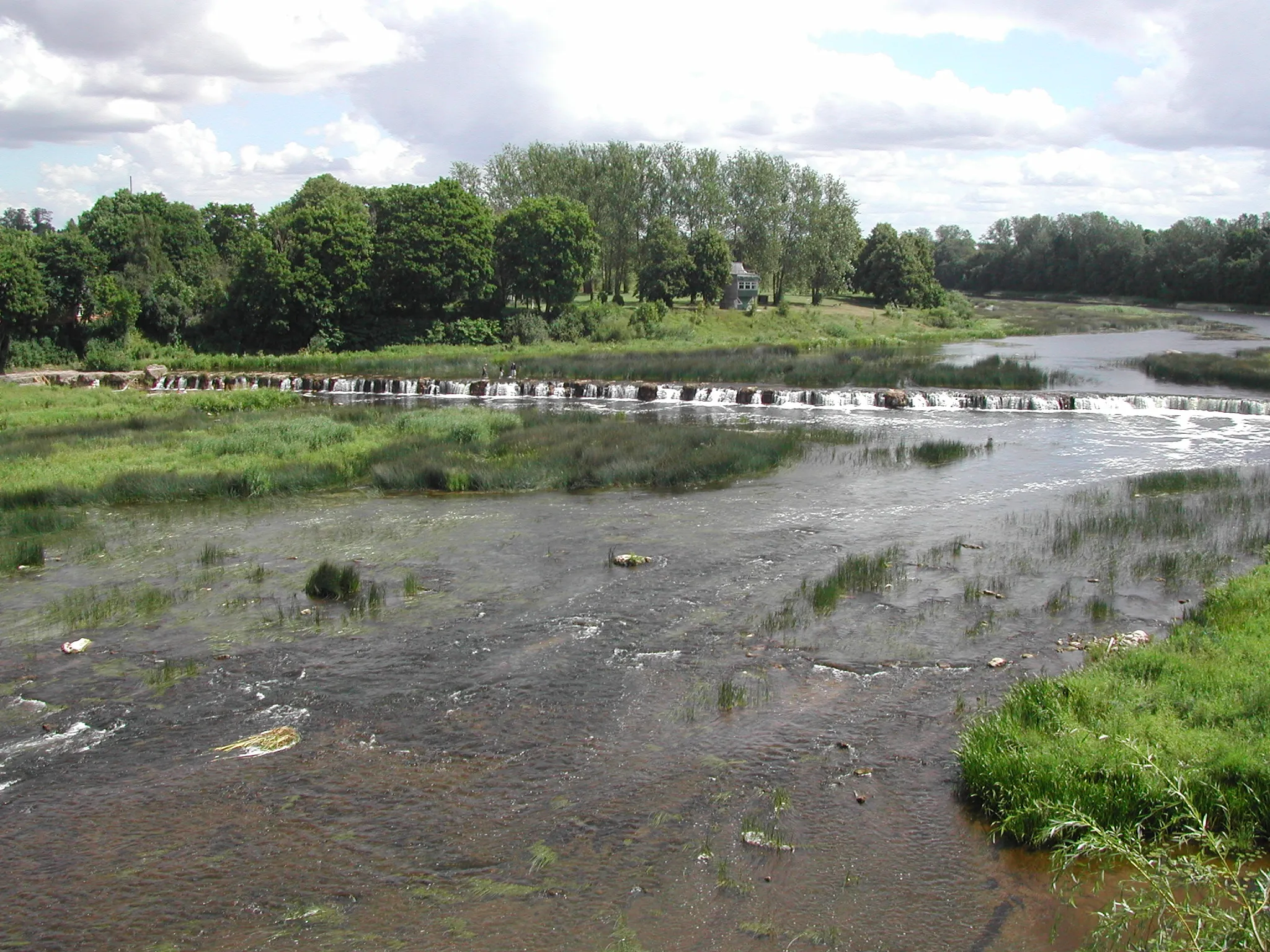
Kuldīga is 150 km west of Riga, about a 2.5-hour drive. Rundāle Palace sits roughly halfway, an 18th-century Baroque residence designed by the same architect who worked on the Winter Palace in St Petersburg (Bartolomeo Rastrelli). The palace is worth a 90-minute stop on its own. Beyond Kuldīga, Liepāja is a port city with a working naval air base, a 3-km white-sand beach, and a former military prison you can tour (Karosta). Cēsis, north back toward Riga, is the smaller Gauja base for the park’s quieter end.
Food and drink
Latvian food is rye, pork fat, and what survived the long winters. Three things to order at least once. Rupjmaize (roop-my-eh-zeh) is the dark rye bread, dense and slightly sweet, served with soup, with cheese, and sometimes as dessert with honey. Pelēkie zirņi ar speķi (peh-LAY-key zhir-nee ar shpek-kee) is grey peas stewed with smoked pork fat and onions. It is the national dish and tastes the way it sounds. Jāņu siers is a caraway cheese made for Midsummer and sold year-round at the Central Market. Smoked sprats, salmon, and river lamprey come from the coastal towns.
Riga Black Balsam (Rīgas Melnais Balzams) is a black, bitter herbal liqueur brewed since 1752. Drink it on ice, in hot tea, or in coffee after a long walk. Craft beer has caught up; the taprooms around Miera Street pour some of the best in the Baltics. Farm cider in summer is worth ordering by the glass. Most restaurants close between lunch and dinner (15:00–18:00 is common), so plan around it. Tipping is not required, but rounding up or leaving 5–10% in sit-down places is normal.
Getting around
Riga’s centre is walkable. Trams, buses, and trolleybuses cover the rest, with tickets bought in the Rīgas Satiksme (REE-gas SAH-tiks-meh) app or from a yellow machine at major stops. Bolt works in Riga and is the cheapest ride-hail option. Trains run hourly through the Gauja valley from Riga to Sigulda, Cēsis, and Valmiera, and the route is the scenic way into the national park. Long-distance coaches (Lux Express, Simple Express) link Riga to Jūrmala, Liepāja, Ventspils, and Daugavpils, and on to Tallinn and Vilnius.
Rent a car for Kuldīga, Rundāle, and the western coast. Roads are flat and well maintained, traffic is light outside Riga, and Old Town parking is restricted to residents. Park-and-ride on the edge of the centre and walk in. If you want all three Baltic capitals in one trip, the Grand Baltic Loop itinerary lays out a day-by-day route.
How many days
A week covers Latvia without rushing. Two or three nights in Riga, a day in Sigulda, one on the coast at Jūrmala, then a westward loop through Kuldīga and Rundāle.
Two or three days: stick to a Riga city break (Old Town, Art Nouveau quarter, Central Market, one afternoon at Jūrmala). Four or five: add Sigulda and the Gauja valley, which is the most rewarding short extension. Seven: loop Riga to Sigulda, Cēsis, Kuldīga, Rundāle, and back through Jūrmala, with time for a beach morning and a spa afternoon. Ten or more: push on to Liepāja, Ventspils, and the western coast, or add Tallinn and Vilnius for a full Baltic circuit.
Practical info
6 readingsCurrency and payments
Latvia uses the euro. Cards work in cities, hotels, and most restaurants. Farmers’ markets and small rural guesthouses often prefer cash, so keep €20–50 on hand.
Language
Latvian is the official language. English is widely spoken in Riga, Jūrmala, and anywhere tourists go; a few words of Latvian, like “paldies” for thank you, go a long way.
Visa
Latvia is in the Schengen Area. Most EU and EEA citizens, plus UK, US, Canadian, Australian, and Japanese passport holders, enter visa-free for up to 90 days in any 180-day period. Check current rules for your nationality before booking.
Safety
Latvia is safe for travelers, including solo travelers, and violent crime against visitors is rare. Take normal precautions in crowds and at night, and watch for pickpockets in the tourist-heavy Old Town spots.
Weather
Summer averages sit at 17 to 23°C, and winter hovers around freezing. The sun barely sets in June and rises late in December, so plan around the light.
Wi-Fi and SIM
Free Wi-Fi covers most of central Riga and Jūrmala, including the train stations. A local SIM from LMT or Tele2 costs about €5 with 5 GB of data. eSIMs (Airalo, Holafly) work without swapping the physical card.
This post contains affiliate links. Booking through them earns a small commission at no extra cost to you, and helps keep the site running. Thank you if you do.
Frequently asked questions
How many days do I need in Latvia?
A week covers the highlights: two or three nights in Riga, a day in Sigulda and the Gauja valley, one on the coast at Jurmala, then a westward loop through Kuldiga and Rundale, with time for a beach morning and a spa afternoon.
When is the best time to visit Latvia?
June through August for beaches and the Jani Midsummer festival, which closes most of the country on 23-24 June. May and September are the sweet spot for sightseers. December brings the Old Town Christmas markets in Riga.
Do I need a visa to visit Latvia?
Latvia is in the Schengen Area. Most EU and EEA citizens, plus UK, US, Canadian, Australian, and Japanese passport holders, enter visa-free for up to 90 days in any 180-day period.