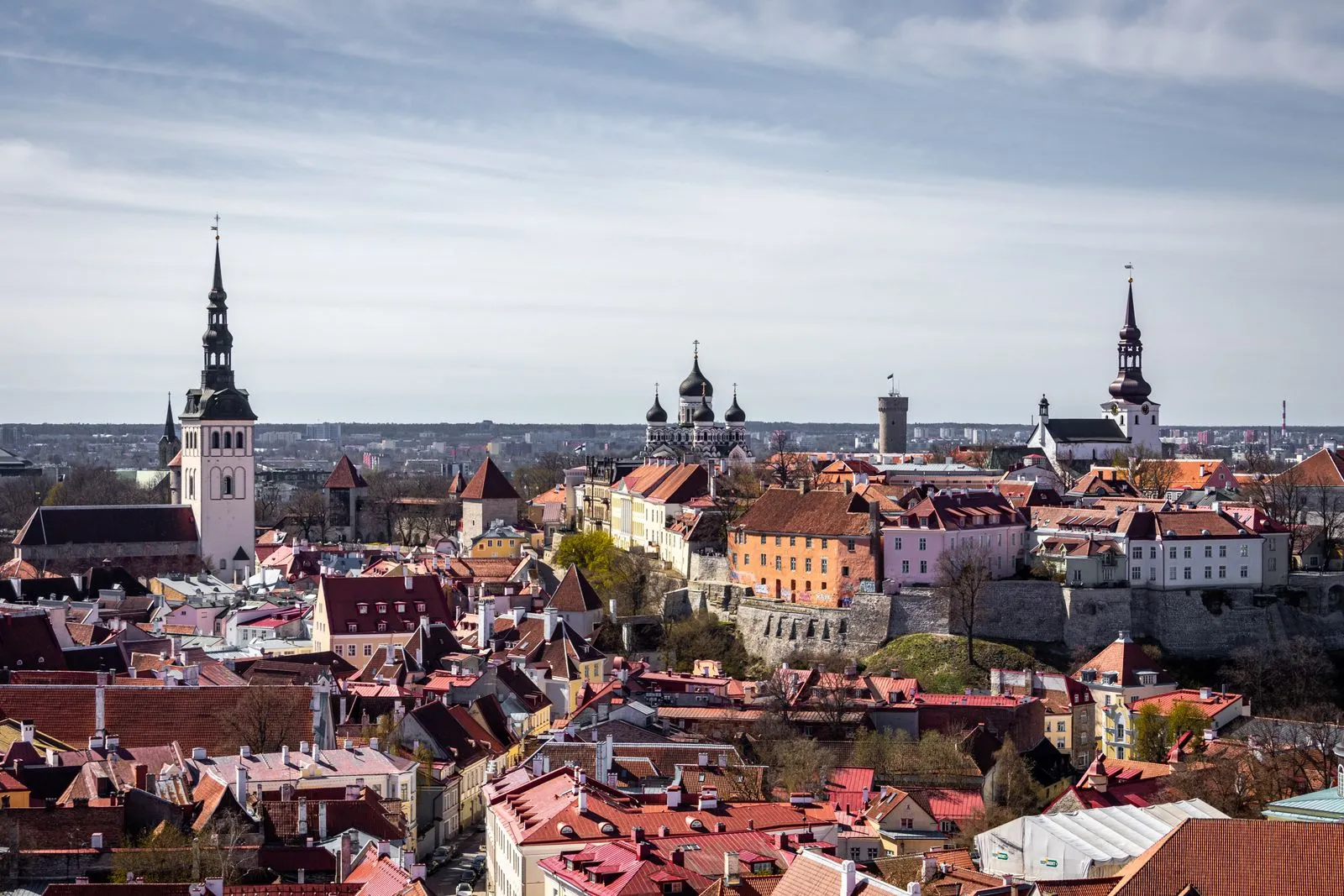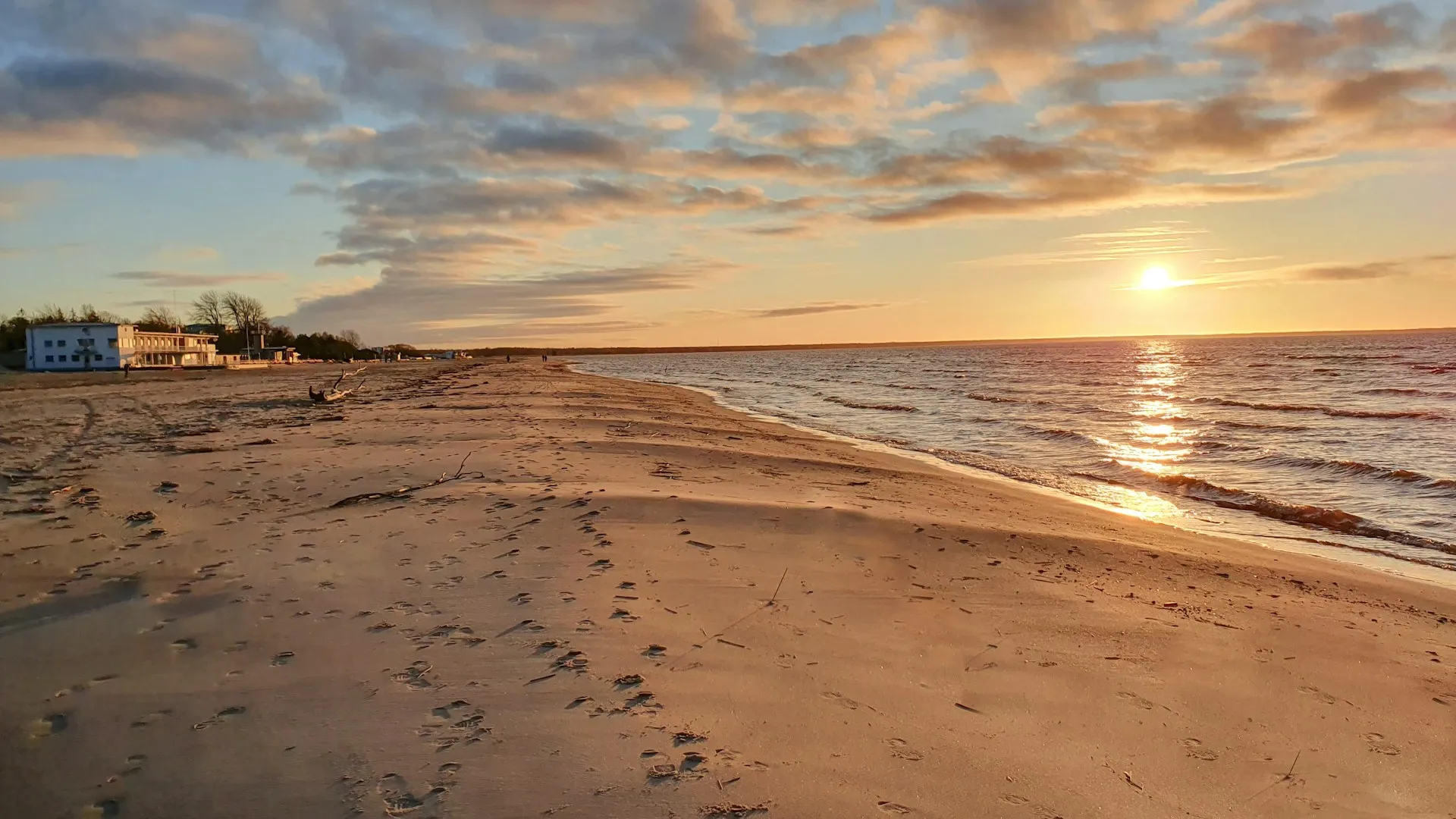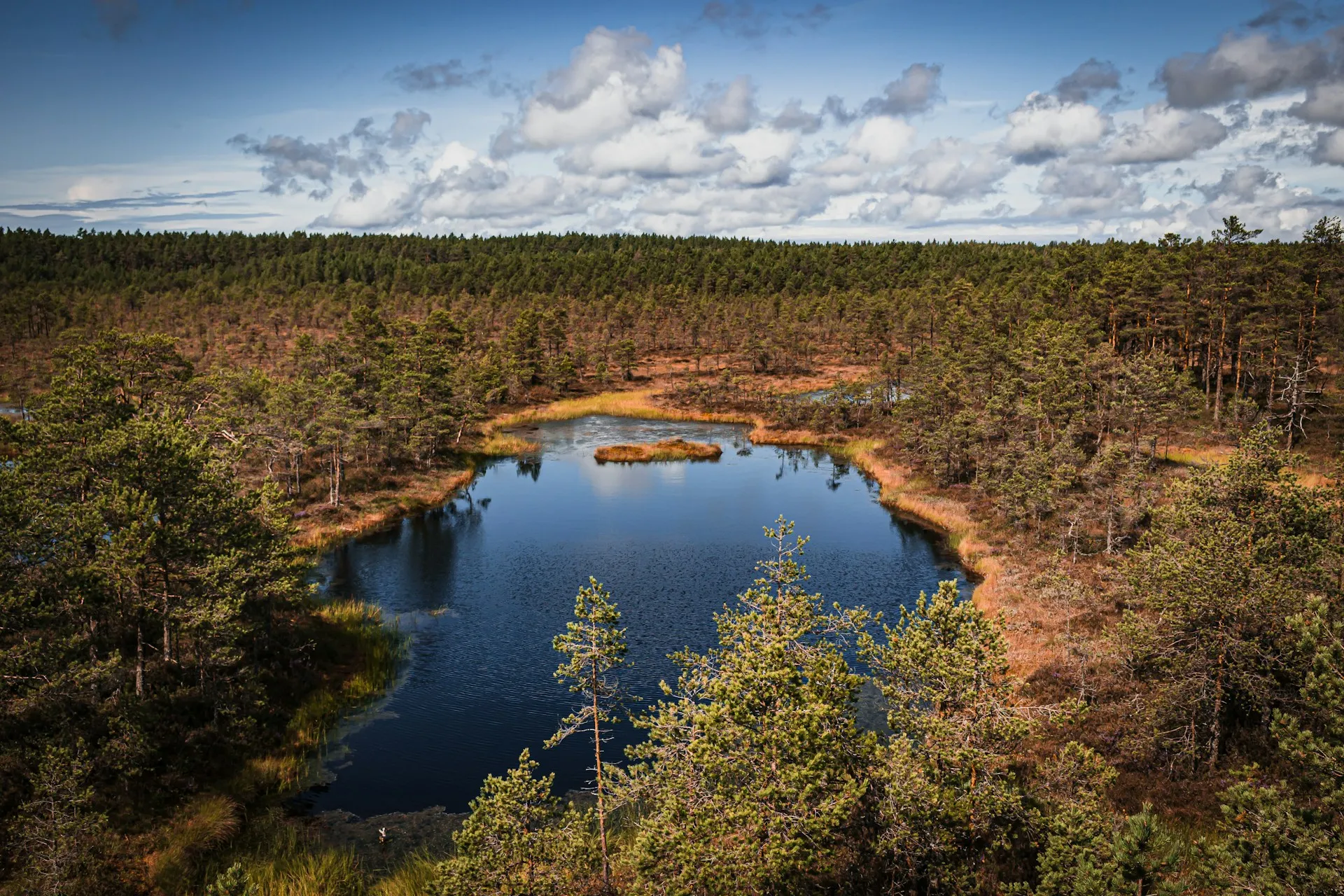
Tartu is Estonia’s second city, an old university town that runs on the rhythm of its students. The University of Tartu was founded in 1632, and it still shapes everything here: the bookshops, the debating clubs, the coffee, the slightly bohemian air. In winter the students go home for the break, and the city settles into a quieter version of itself, slower and colder, with a different kind of warmth underneath. In summer the city hands the seasonal energy to the coast, where Pärnu takes over as Estonia’s beach resort.
Winter is the season Tartu does best without even trying. The town square puts in an outdoor ice rink, the old cathedral ruins on Toome Hill become a sledding hill when the snow comes, and the museums and saunas pick up the slack on the days the wind bites. In 2024 the city was a European Capital of Culture under the theme Arts of Survival, and the cultural energy it built has not gone anywhere.
Getting there
Trains from Tallinn via Elron take about two hours, and buses run every hour or two. The train station sits a short walk from the old town.
Budget
Forty to seventy euros a night for accommodation. Meals run eight to fifteen euros, and a tram ticket costs around a euro and a half.
Best time
Late November through January for the festive lights and the ice rink. January and February for reliable snow, sledding, and the quietest streets.
Duration
A day trip from Tallinn covers the square, Toome Hill, and one museum. Two nights lets you split the museums, take the sauna, and see the river at night.
Town Hall Square in winter
Raekoja plats is the small, irregular square at the heart of the old town, framed by pastel facades and topped by the town hall’s odd little clock tower. In summer it fills with cafe terraces. In winter the terraces fold away and the square becomes something more useful: an outdoor ice rink set up around the Kissing Students fountain.
The rink sits right on the square, usually from late November until the start of March. Skates are available to rent on site, and twice a week there are free lessons for anyone who has never stood on ice. For an hour or two in the early evening the square turns into the social heart of the town, lit up and busy, with the fountain wearing its winter crown.
In December the same square hosts the Christmas market. Wooden stalls sell glögi, the warm spiced wine that does the heavy lifting of any Estonian winter, along with scarves, honey, and the smoked and grilled treats that smell better in the cold. The market is small, and that is its point: it is a local event, not a tourist set piece.
The side streets off the square narrow quickly into the kind of lanes where you duck into a warm cafe for twenty minutes and come out an hour later. Start with a hot drink and a pastry, then wander the short grid to the river. The square is walkable in five minutes end to end, but in winter it rewards a slow circuit with the rink lights on.
Toome Hill
Toomemägi is the low hill at the edge of the old town, part park, part ruin, part university campus. It holds the ruins of Tartu’s medieval cathedral, the University of Tartu Museum inside what remains of it, and the heavy wrought-iron bridges that connect the hilltop to the streets around it. In winter, snow transforms the whole slope into a neighbourhood sledding run.
The cathedral was begun in the thirteenth century and left as a ruin after the Reformation. Its two surviving towers now house the University of Tartu Museum, which tells the story of the town and its academy together: the founding in 1632, the scientists who worked here, the instruments and specimens they used. In winter it is the warm, quiet indoor half of a Toome Hill visit.
When snow falls, the grass slopes of the hill become a sledding hill for anyone with a sledge, and you can usually borrow or buy one cheap near the old town. The best light for the view back over the rooftops comes in the short winter afternoons, when the low sun turns everything amber.
Estonian National Museum
The Estonian National Museum, often just ERM, sits on the site of a former Soviet air base outside the old town. Its name tells the real story: this is where Estonia keeps its own history, from the wooden farmhouses of the countryside to the digital republic it became. The permanent exhibition walks you through that arc in a single long room.
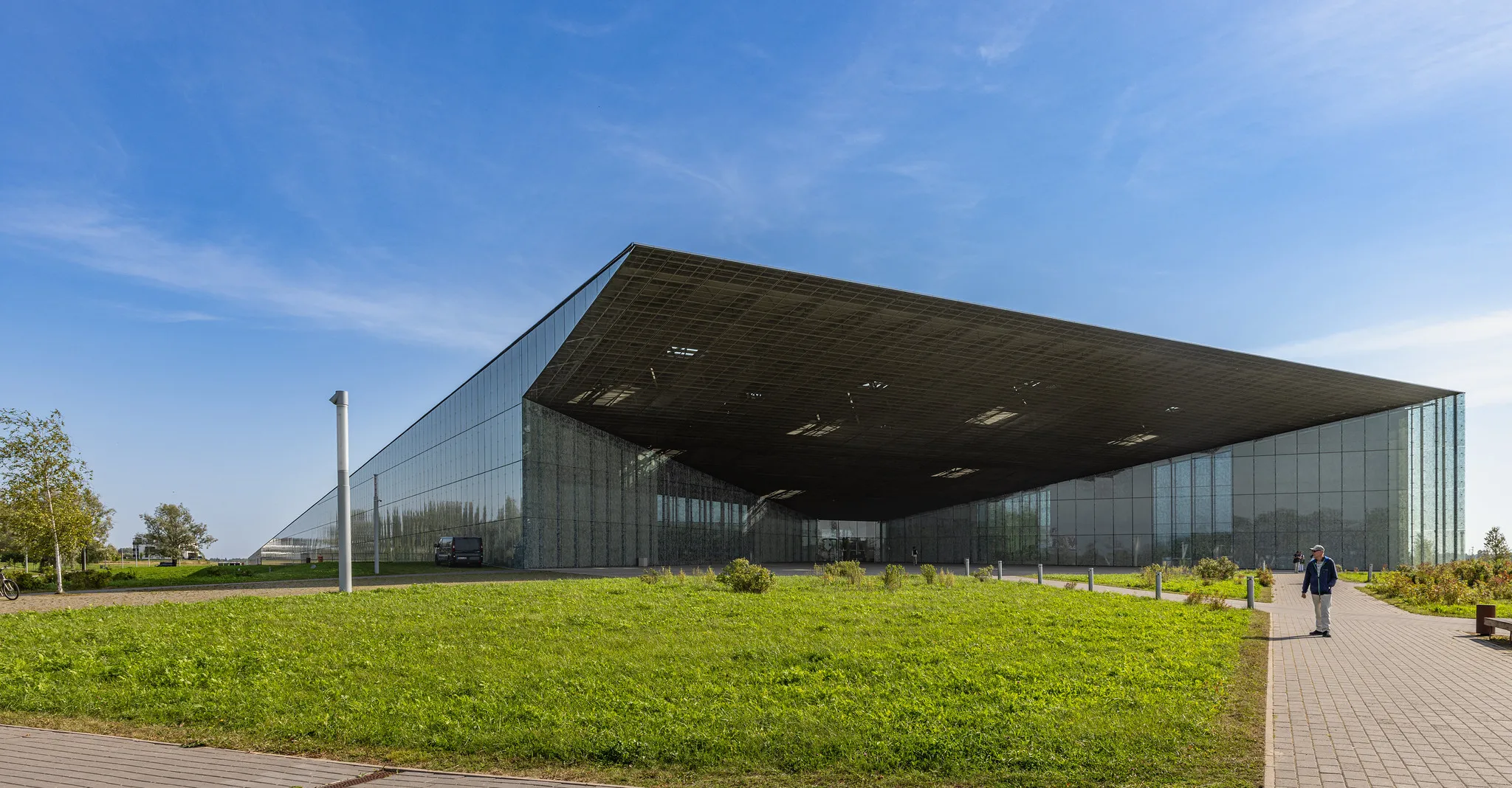
Give the permanent exhibition a generous two hours. It is layered rather than thin, and it keeps surprising: objects from everyday farm life, the wars, the Soviet period, and the singing revolution, arranged so that the small details carry the weight. The temporary galleries handle contemporary Estonian art and culture and change regularly, so it is worth checking what is on.
The museum is the best winter refuge in the city, a full indoor afternoon with a cafe and clean, quiet galleries. It sits a short ride from the centre, so budget a little time to get there and back.
AHHAA Science Centre
If you are travelling with children, or if the weather turns properly grim, AHHAA is the day-saver. It is a hands-on science centre in a modern building near the old town, built around the idea that you understand something better if you touch it. Planetarium shows, experiments, puzzles, and plenty of room to burn energy indoors.
Give it a relaxed half day. The exhibits are arranged by theme and most are interactive, so it works for a wide age range. The planetarium has its own schedule and sells out, so book a time when you arrive. On a cold or wet day it is the difference between a guaranteed good time and a restlessness you did not plan for.
Adults without children still get something out of it if they like science, but it is aimed squarely at families. If you are travelling without kids, put the time into ERM or the museums instead and skip this one.
The frozen Emajõgi
Emajõgi, the Mother River, runs through the centre of Tartu and gives the town its low, flat arrangement. In hard winters it can freeze over, and the riverside paths, the bridges, and the floodlit embankment turn into the city’s longest walk. Ice on the river is always weather-dependent, so never assume it is safe to cross, but the bridges and banks give you the view regardless.
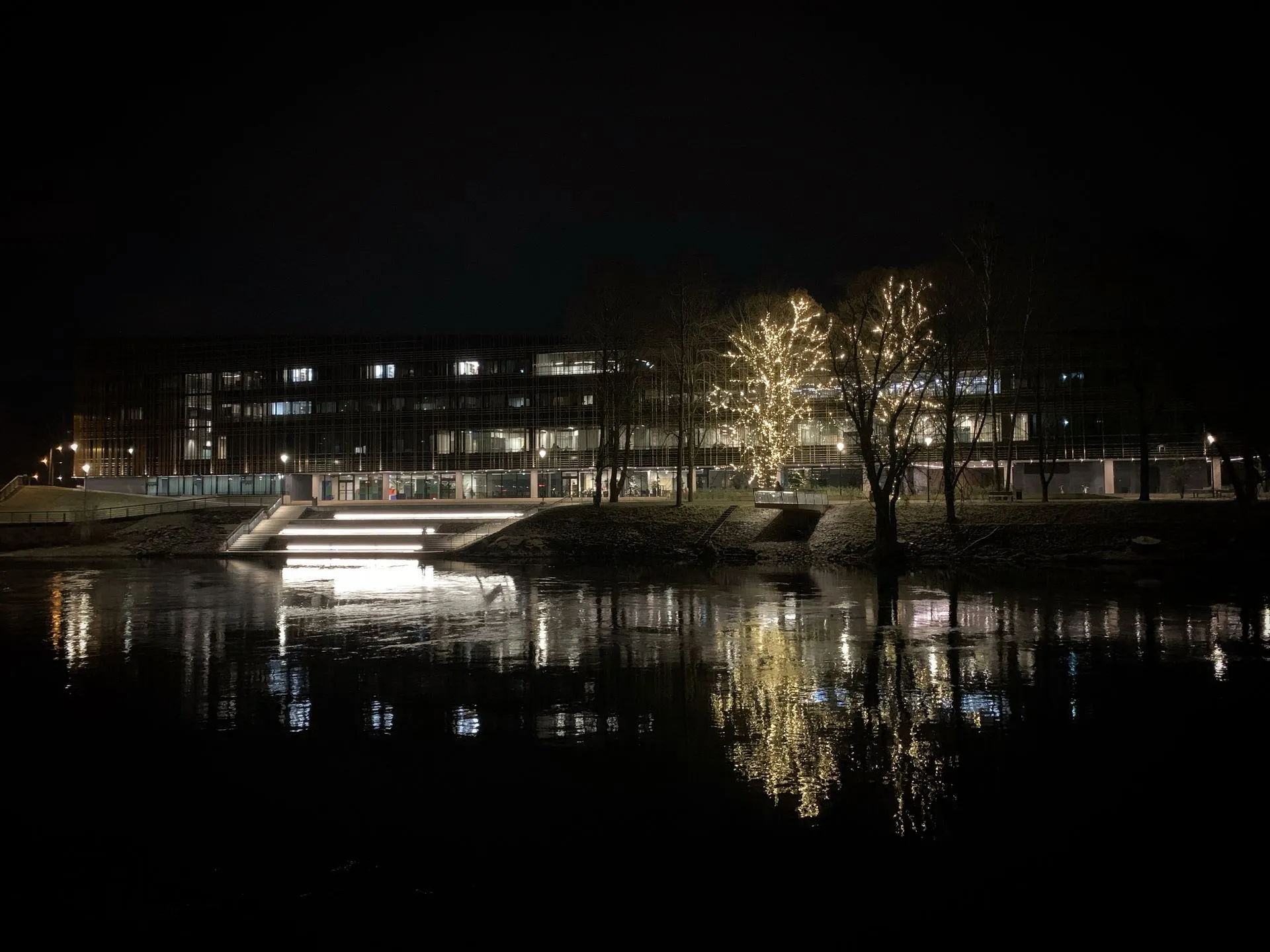
In the weeks around Christmas and well into the new year, winter light installations go up around the old town and along the river, and the embankment becomes a loop worth doing after dark. Cold air, reflected lights off the water, the town quiet behind you: this is the Tartu winter memory people keep. The walk is flat, free, and takes about forty minutes at a strolling pace.
If the river has frozen solid a couple of winters running, you may see people walking out onto the ice, but do not follow unless the local weather and river conditions genuinely support it. The bridges, not the ice, are the safe way to cross.
Winter food and saunas
Estonian winters run on heat: hot food, mulled wine, and the ritual of the sauna. Tartu does all three well, and the cold is the point of entry, not the obstacle.
Glögi is everywhere and worth sampling from more than one stall, since every place spices it differently. For a meal, look for the places doing blood sausage, sauerkraut, and dark rye bread, the honest winter plates, plus the local fish when it is on. The food scene skews young and experimental thanks to the university, so there are good options beyond the obvious.
For the full ritual, book a sauna. The Aura Centre runs an event called Whisking Wednesday, a communal sauna evening with light whisking with birch branches, and a few places offer quieter private saunas. A sauna followed by a cold plunge or a roll in the snow is the local definition of a good afternoon, and it reorders how you feel about the whole visit.
Practical info
6 readingsGetting there
The train is the easy way. Elron runs from Tallinn to Tartu in about two hours, with several departures a day, and the station is a short walk or tram ride from the old town. Buses run even more often and land close to the centre too. From the station, the square is a comfortable ten-minute walk.
Getting around
The old town, Toome Hill, and the river are all walkable, and in winter walking keeps you warm. A tram runs from the station area toward the museum quarter and the malls, and tickets are cheap. You do not need a car in town, though one helps if you are using Tartu as a base for the countryside.
Budget
Winter is the cheap season. Accommodation runs forty to seventy euros a night, meals eight to fifteen, and a tram ticket about a euro and a half. The ice rink, the river walk, and the lights are free. The museums charge entry in the single digits.
When to visit
Late November through January brings the festive lights, the rink on the square, and the market in December. January and February are the most reliably snowy and the quietest, which is when the sledding and the sauna-and-snow routine really work. If you want the ski season atmosphere, Tartu County hosts a big cross-country race in mid-February.
Duration
A long day from Tallinn covers the square, Toome Hill, and one museum. Two nights lets you add the second museum, take a sauna evening, and walk the river at night. Three nights suits a relaxed trip or a base for exploring southern Estonia.
What to pack
Dress in layers and bring a warm hat, scarf, and waterproof boots, because the cold is less the problem than the dry snow and the wind along the river. Gloves matter for the rink, and a thermos of something hot makes the outdoor parts much happier. Everything else you can buy on the spot.
This post contains affiliate links. Booking through them earns a small commission at no extra cost to you, and helps keep the site running. Thank you if you do.
Frequently asked questions
How do I get to Tartu from Tallinn?
Elron trains from Tallinn to Tartu run several times a day and take about two hours, with the station a short walk or tram ride from the old town. Buses run every hour or two and land close to the centre too.
What is there to do in Tartu in winter?
Skate on the outdoor ice rink on Town Hall Square, sled on the snow-covered slopes of Toome Hill, walk the light installations along the Emajogi embankment after dark, and visit the Estonian National Museum and the AHHAA Science Centre indoors.
Is Tartu worth visiting in winter?
Yes. Late November through January brings the festive lights and the rink, and January and February are the most reliably snowy and the quietest, when the sledding and the sauna-and-snow routine really work. A long day from Tallinn covers the main sights.